The way we act daily becomes habit, which eventually translates to culture. In this section, we write about our food systems from the past, present and future and how people's lives are shaped around it
The way we act daily becomes habit, which eventually translates to culture. In this section, we write about our food systems from the past, present and future and how people's lives are shaped around it
The way we act daily becomes habit, which eventually translates to culture. In this section, we write about our food systems from the past, present and future and how people's lives are shaped around it
The way we act daily becomes habit, which eventually translates to culture. In this section, we write about our food systems from the past, present and future and how people's lives are shaped around it
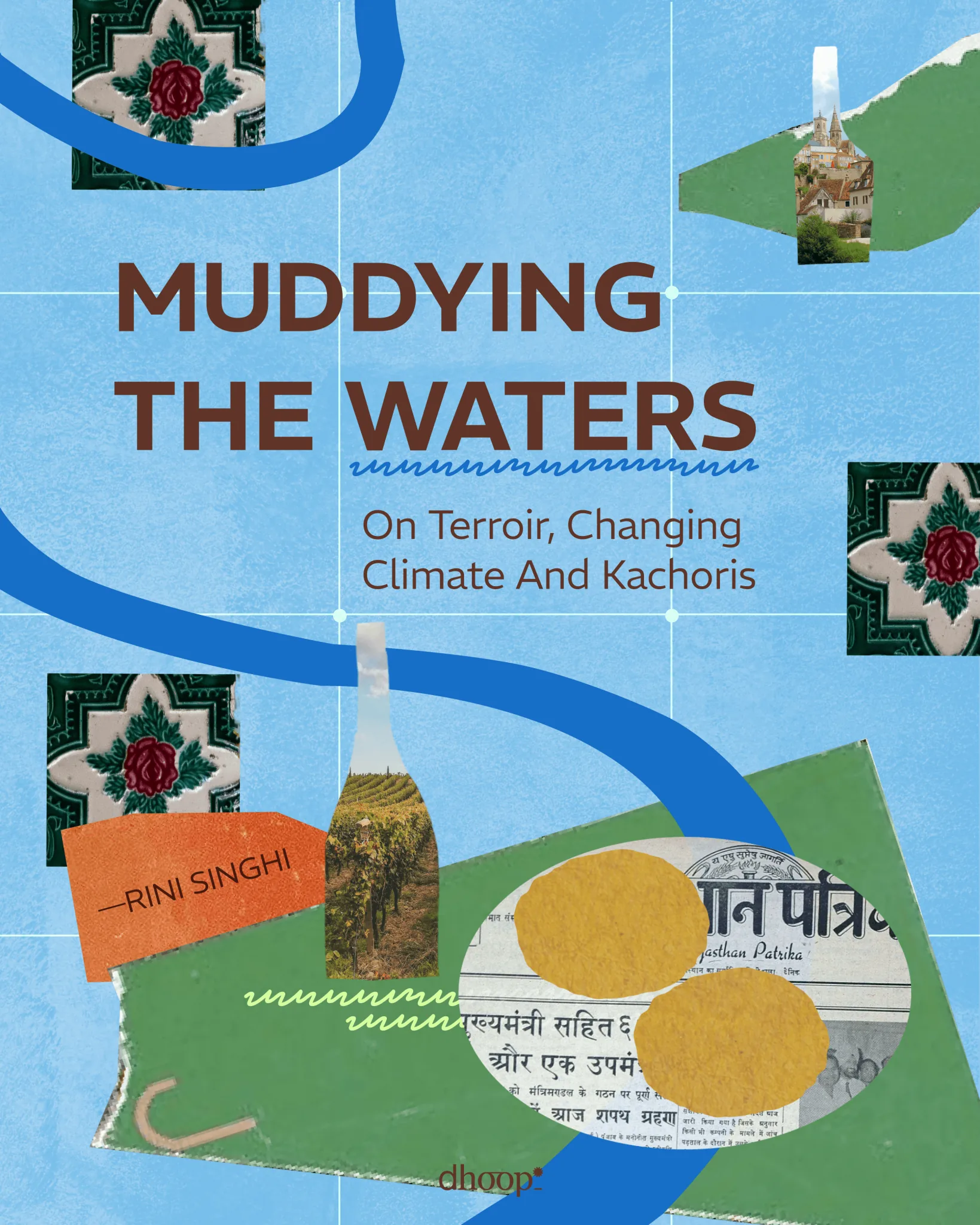
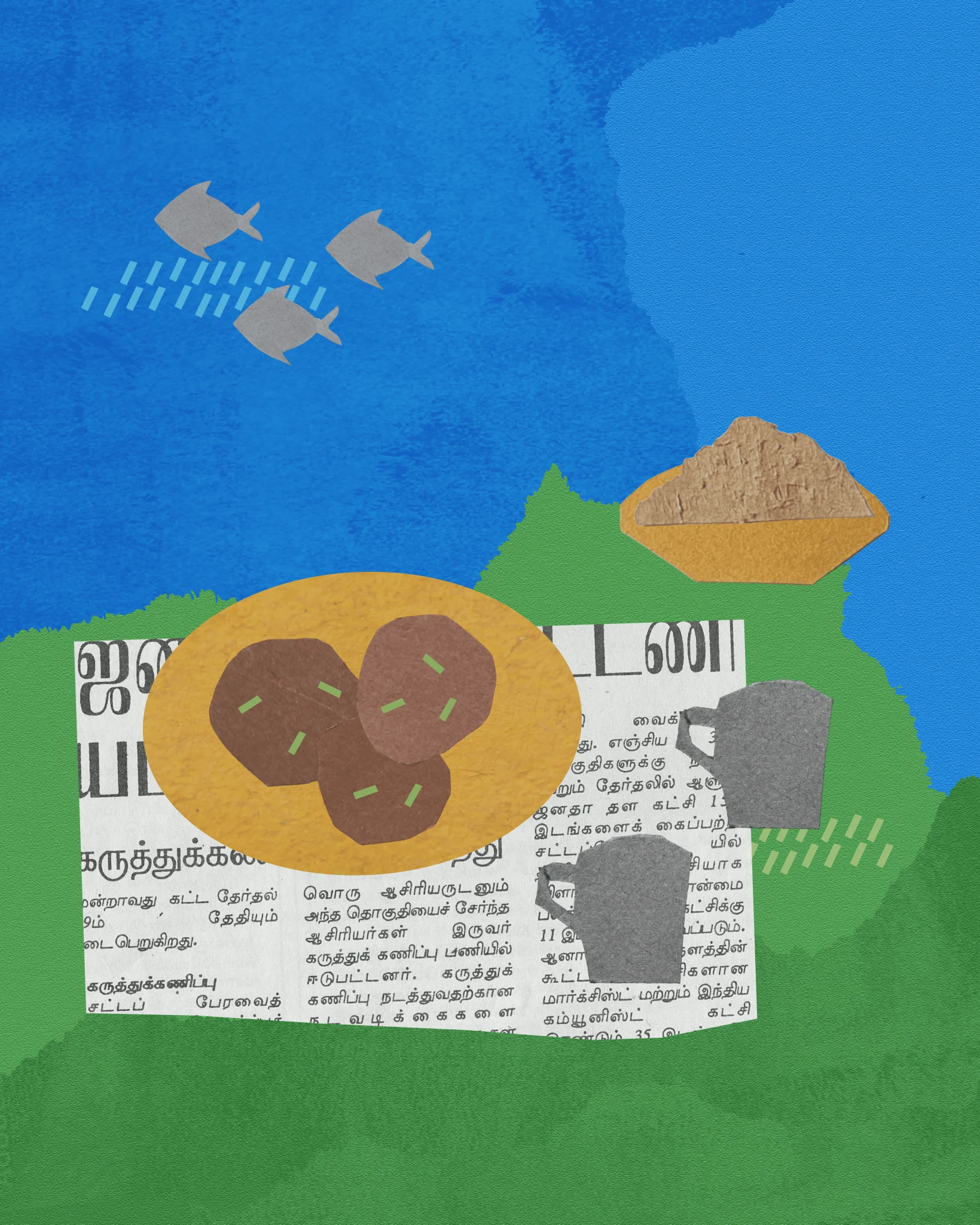
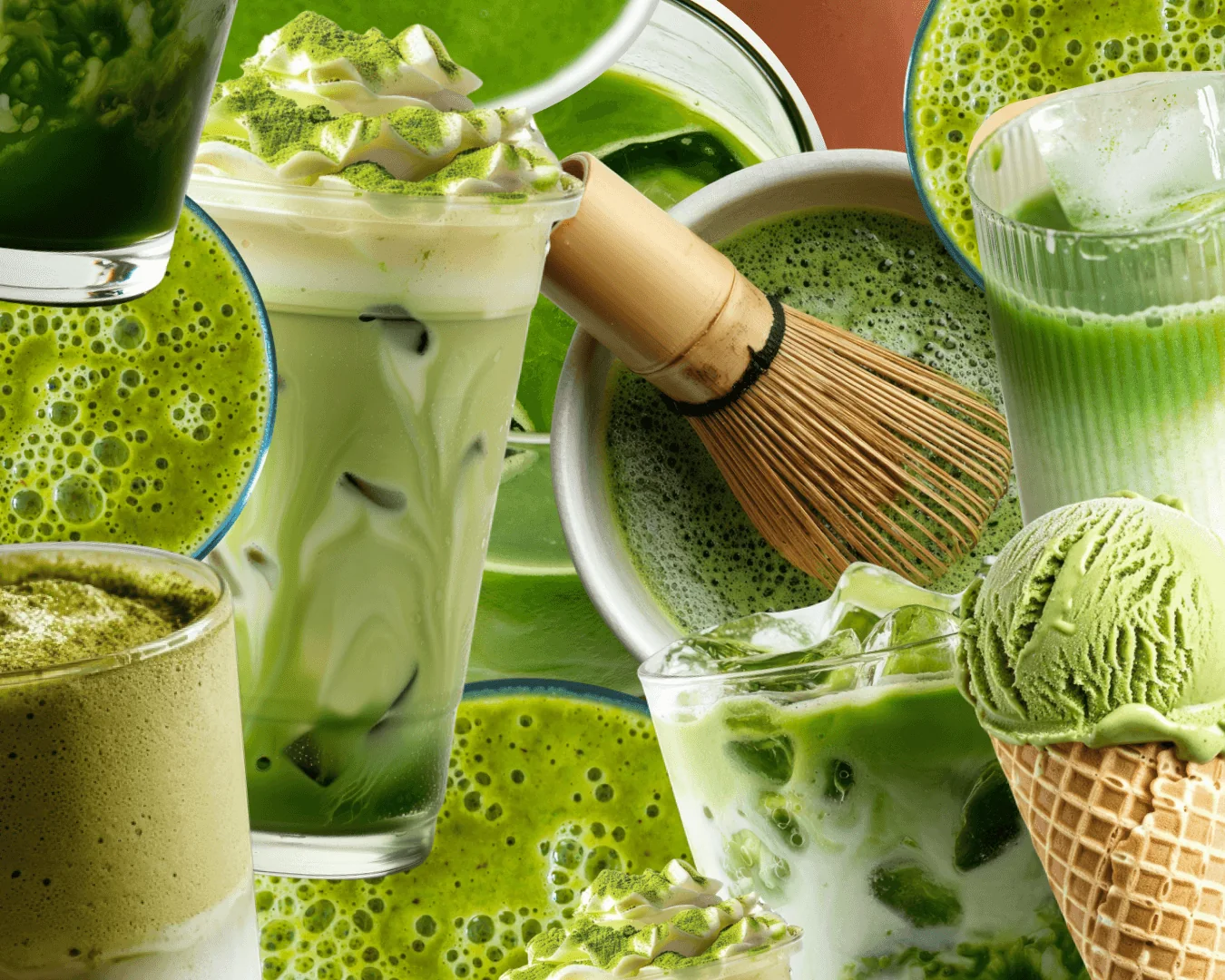
Editor's Choice
Hands or no hands?
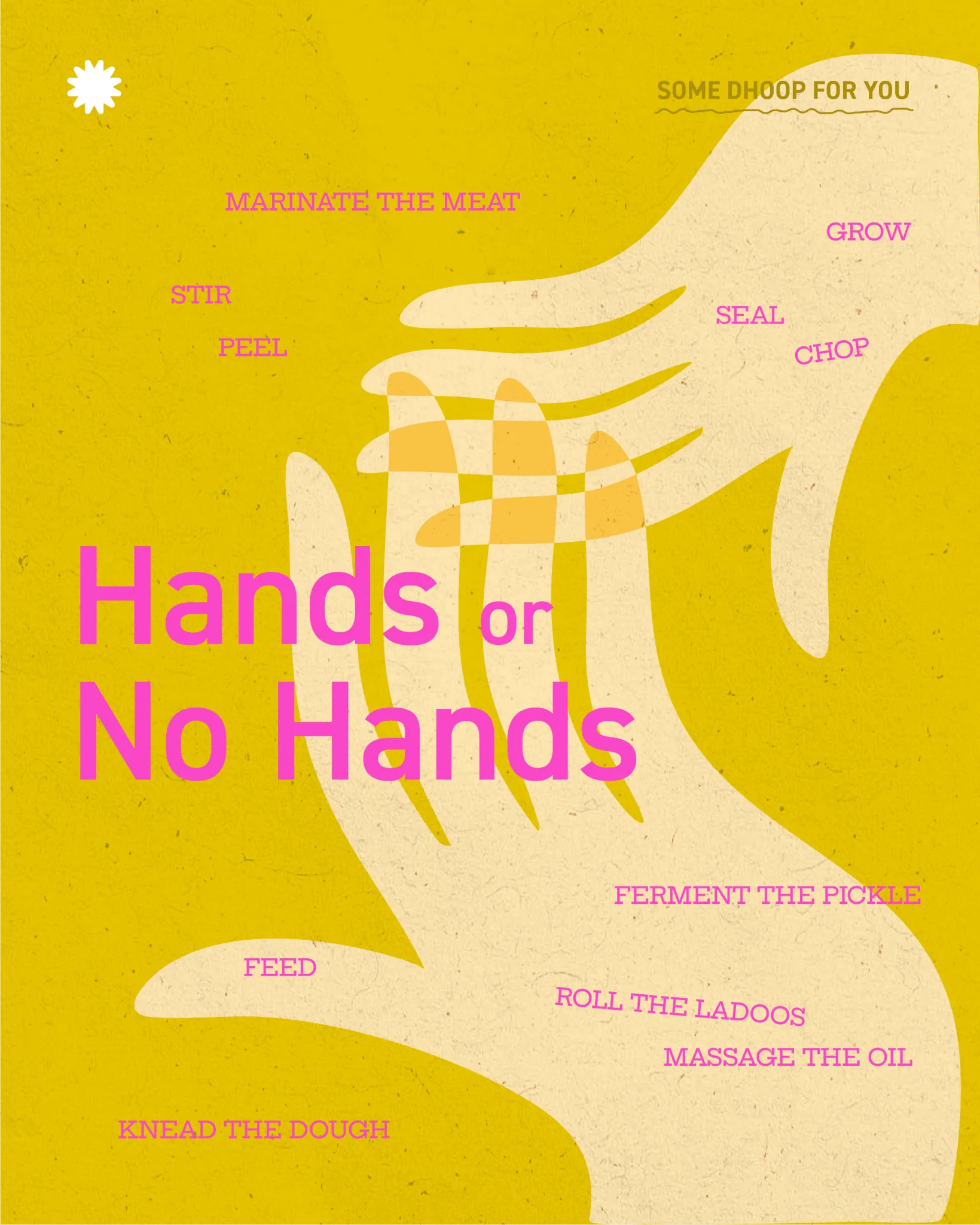
Knead the dough, massage the oil, marinate the meat, ferment the pickle, roll the ladoos, peel, chop, stir, seal, grow, uproot, feed, clean, and repeat. When I decided on the topic of this newsletter a few weeks ago, I unknowingly began observing hands—what they do deliberately and what happens unintentionally. As an observer who didn’t actively engage in these tasks, I noticed the use of hands more easily.
Editor's Choice
Hands or no hands?
Knead the dough, massage the oil, marinate the meat, ferment the pickle, roll the ladoos, peel, chop, stir, seal, grow, uproot, feed, clean, and repeat. When I decided on the topic of this newsletter a few weeks ago, I unknowingly began observing hands—what they do deliberately and what happens unintentionally. As an observer who didn’t actively engage in these tasks, I noticed the use of hands more easily.
Hands or no hands?
Knead the dough, massage the oil, marinate the meat, ferment the pickle, roll the ladoos, peel, chop, stir, seal, grow, uproot, feed, clean, and repeat. When I decided on the topic of this newsletter a few weeks ago, I unknowingly began observing hands—what they do deliberately and what happens unintentionally. As an observer who didn’t actively engage in these tasks, I noticed the use of hands more easily.
Editor's Choice
Hands or no hands?
Knead the dough, massage the oil, marinate the meat, ferment the pickle, roll the ladoos, peel, chop, stir, seal, grow, uproot, feed, clean, and repeat. When I decided on the topic of this newsletter a few weeks ago, I unknowingly began observing hands—what they do deliberately and what happens unintentionally. As an observer who didn’t actively engage in these tasks, I noticed the use of hands more easily.
/Hero%20Image.png)
Some dhoop for you!
Sign up for our newsletter.
dhoop uses food as a lens. Through this lens, we interrogate culture, sustainability, design, and the systems that sustain life. We started as a magazine focused on stories of food and its intersections.
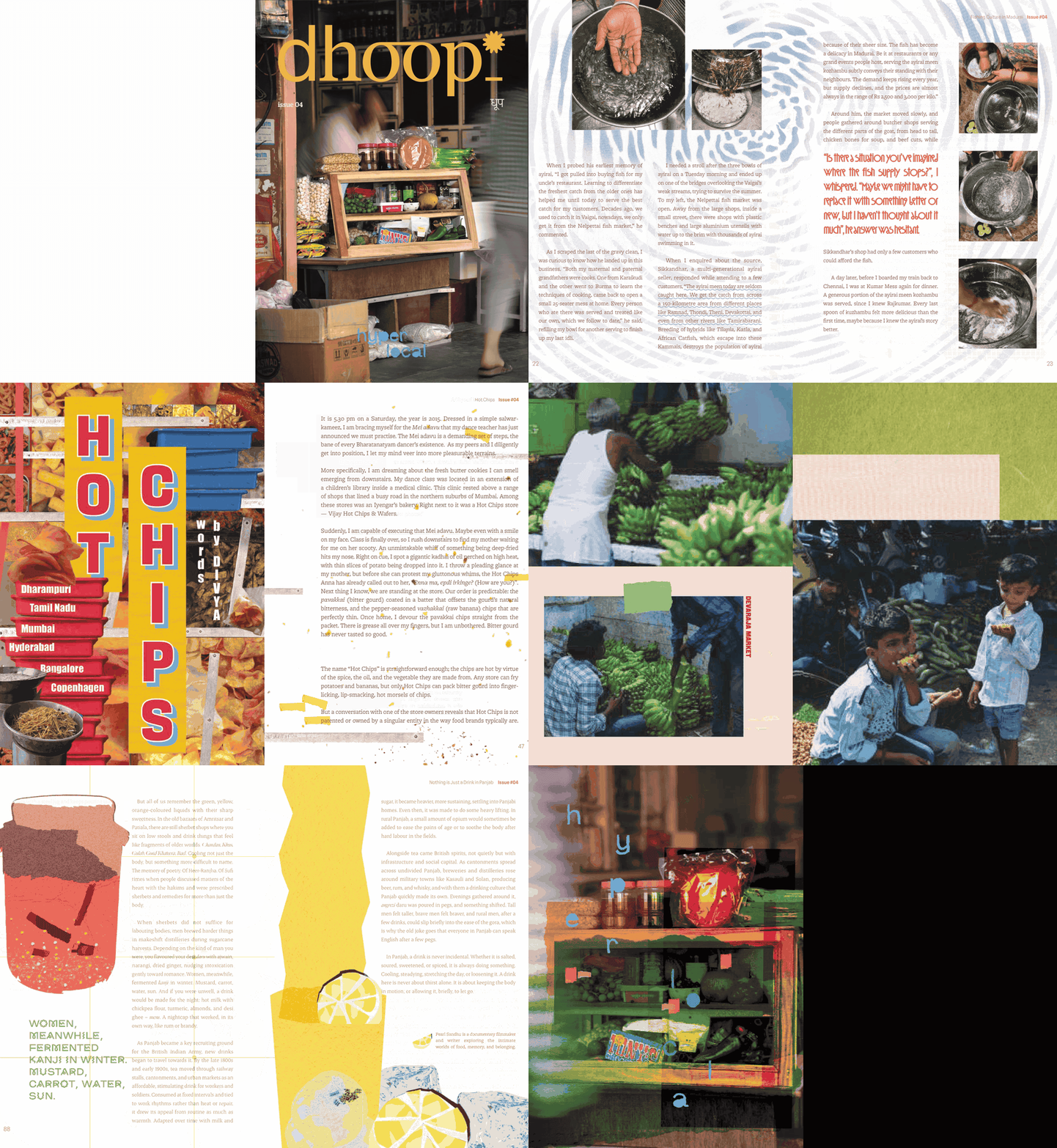
Issue 04: Hyperlocal
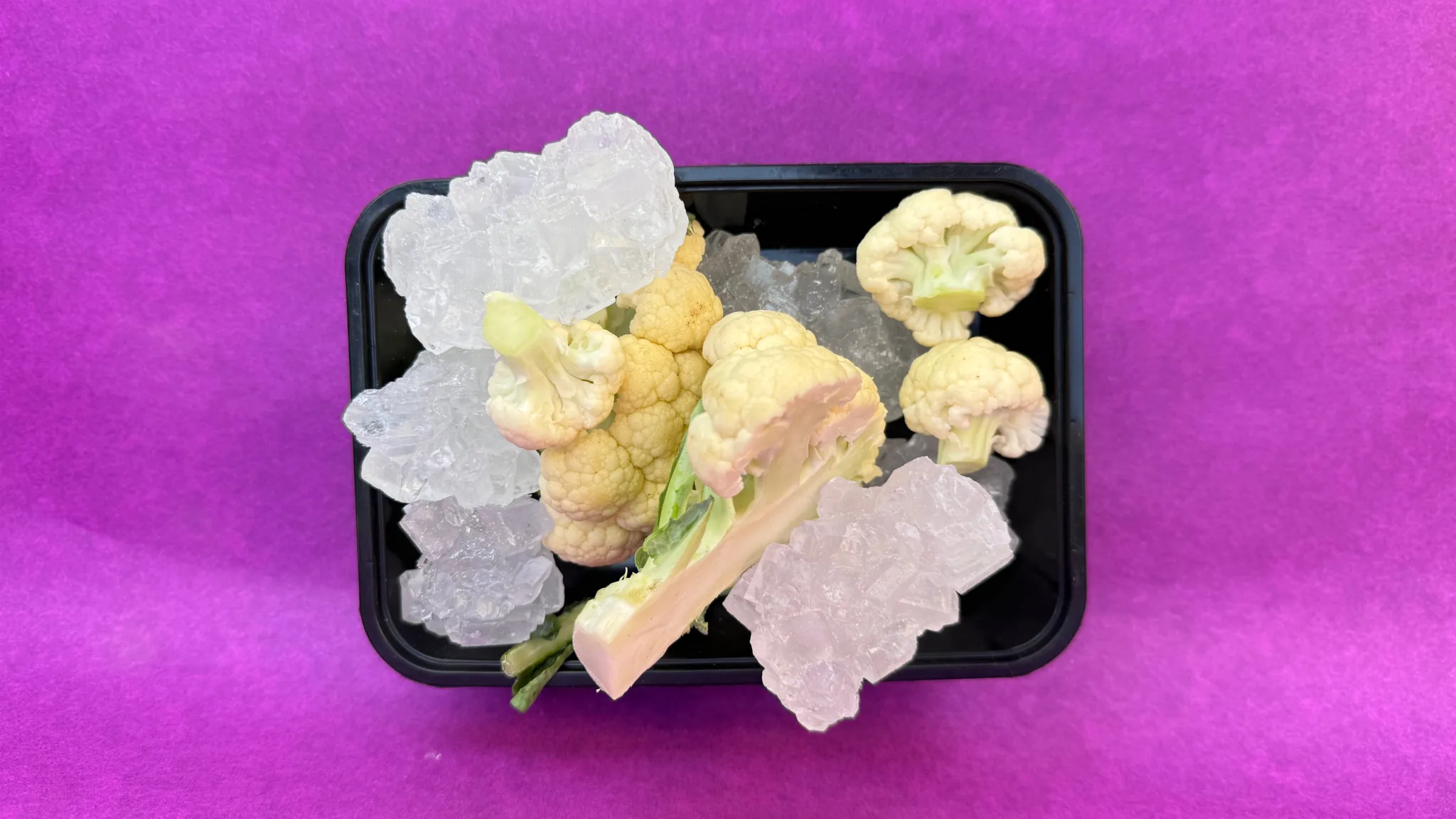
Speaking of man-made, who decided what is local to a place? Can only native, indigenous things be local? If origin doesn’t make something truly hyperlocal, what does? Could it be the destination? Indigenisation? Re-territorialisation? Or, naturalisation? Is local something you are born with, or is it something you simply become?
Some dhoop for you!
Sign up for our newsletter here.
dhoop uses food as a lens. Through this lens, we interrogate culture, sustainability, design, and the systems that sustain life. We started as a magazine focused on stories of food and its intersections.
We work out of Jaipur, Bangalore & Mumbai
Issue 04: Hyperlocal
Speaking of man-made, who decided what is local to a place? Can only native, indigenous things be local? If origin doesn’t make something truly hyperlocal, what does? Could it be the destination? Indigenisation? Re-territorialisation? Or, naturalisation? Is local something you are born with, or is it something you simply become?
Some dhoop for you!
Sign up for our newsletter.
dhoop uses food as a lens. Through this lens, we interrogate culture, sustainability, design, and the systems that sustain life. We started as a magazine focused on stories of food and its intersections.
We work out of Jaipur, Bangalore & Mumbai
Issue 04: Hyperlocal
Speaking of man-made, who decided what is local to a place? Can only native, indigenous things be local? If origin doesn’t make something truly hyperlocal, what does? Could it be the destination? Indigenisation? Re-territorialisation? Or, naturalisation? Is local something you are born with, or is it something you simply become?
Some dhoop for you!
Sign up for our newsletter.
dhoop uses food as a lens. Through this lens, we interrogate culture, sustainability, design, and the systems that sustain life. We started as a magazine focused on stories of food and its intersections.
Issue 04: Hyperlocal
Speaking of man-made, who decided what is local to a place? Can only native, indigenous things be local? If origin doesn’t make something truly hyperlocal, what does? Could it be the destination? Indigenisation? Re-territorialisation? Or, naturalisation? Is local something you are born with, or is it something you simply become?