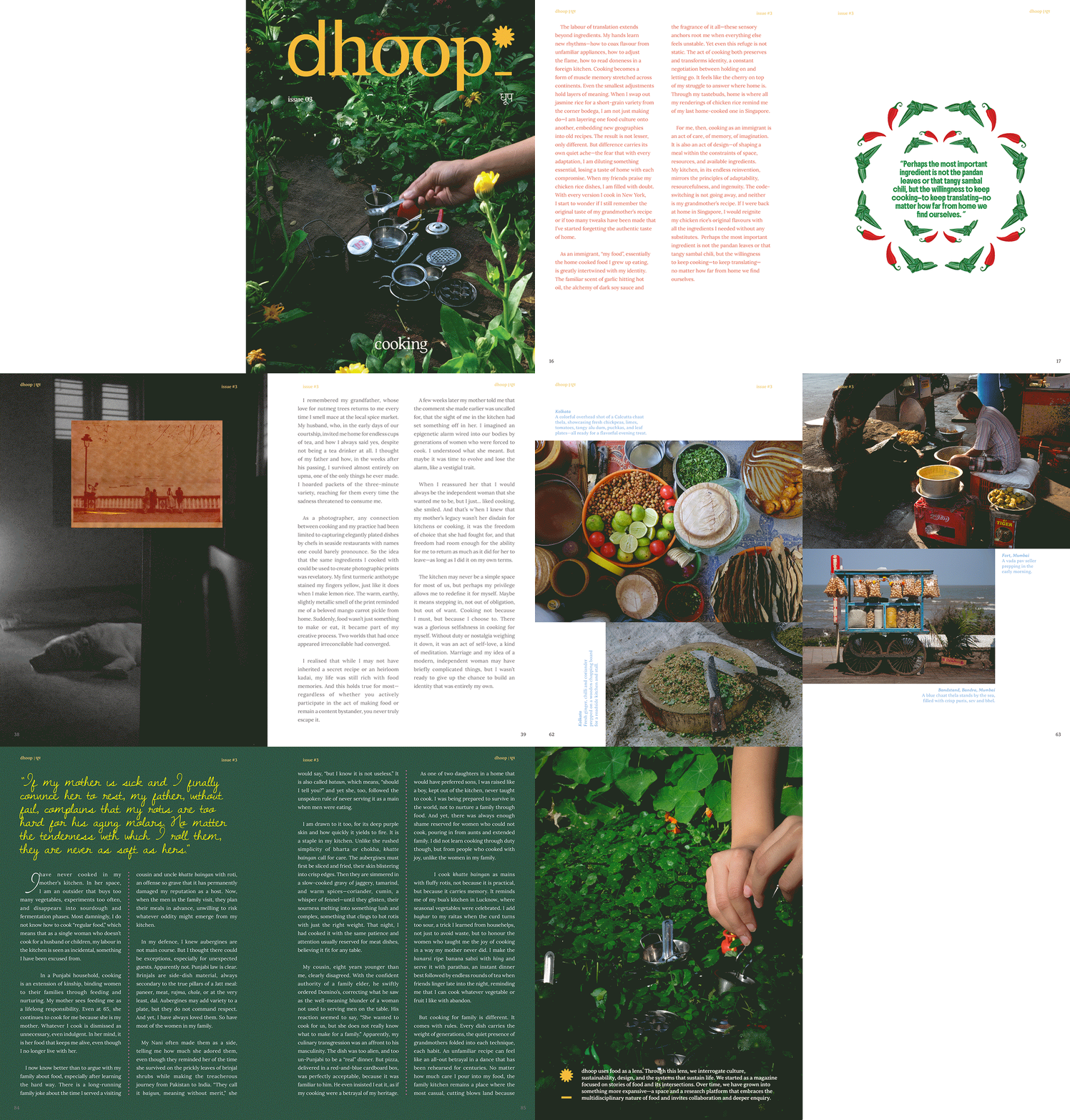
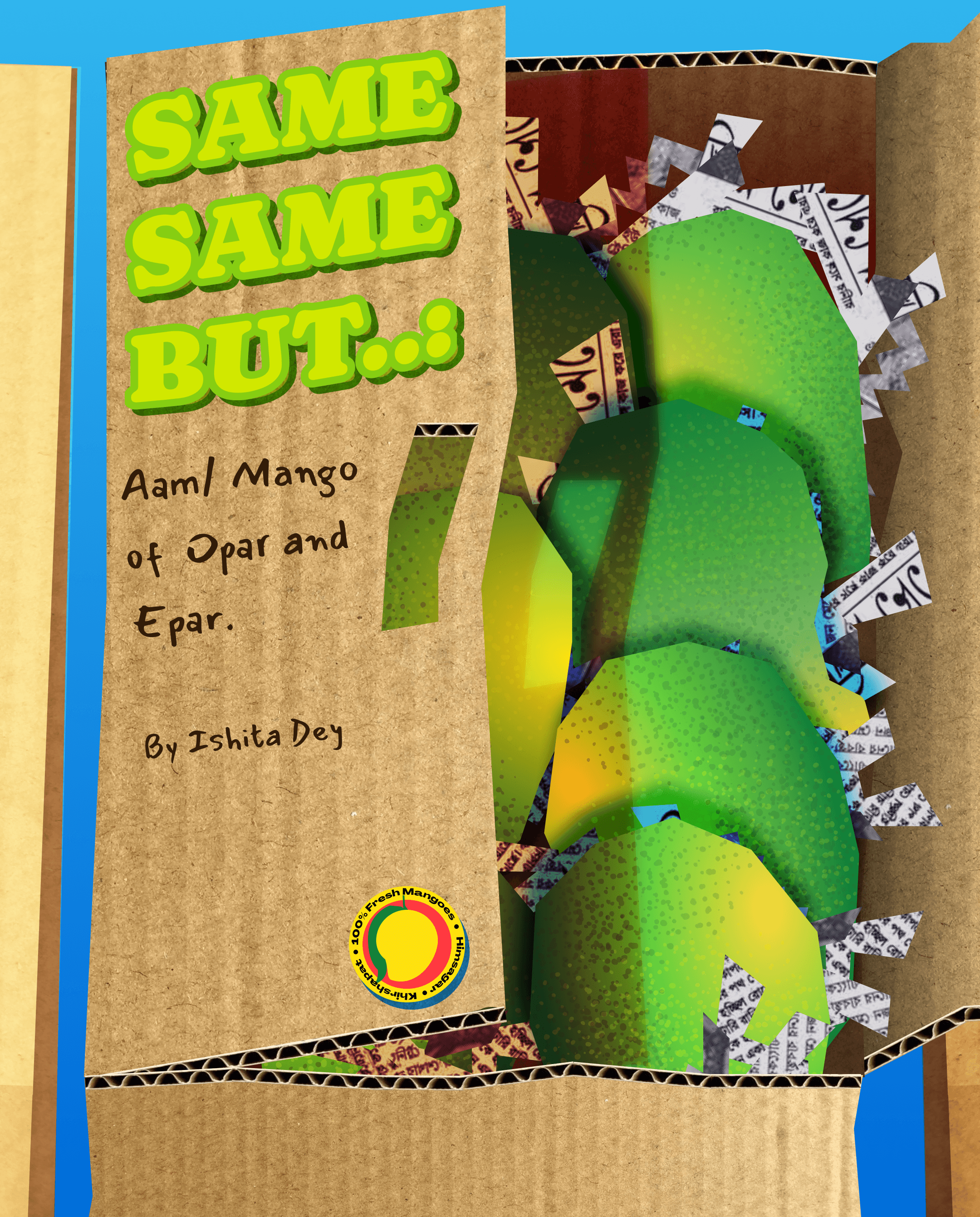
With the fourth issue of dhoop, we wanted to explore food through the lens of places and places through the food that defines them. During this journey, the term hyperlocal presented itself through literature, pop culture, media, reels, and branding terminology — it was everywhere. Did we know what it exactly meant? No. Do we know what it means now? Not completely.
Well, in this case, defining is only part of the objective because defining it limits how we understand it, how we view the world, and how we imagine. What if we deconstruct the term and what it has come to mean, and remake it in our own way?






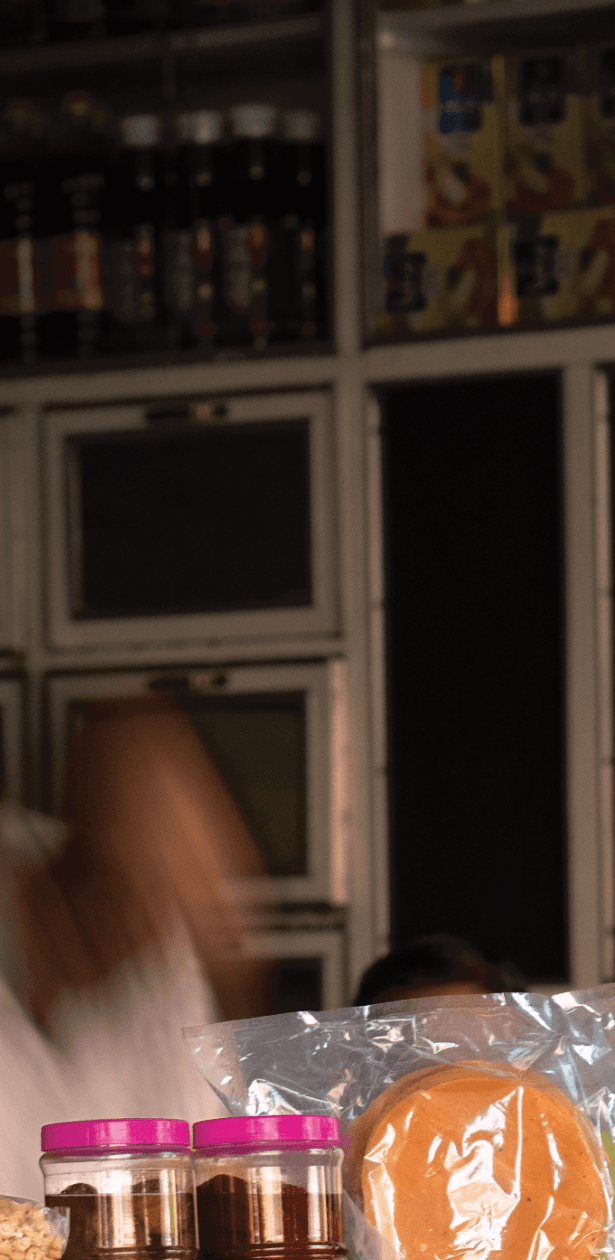
Issue #4: Hyperlocal! Out Now
Issue #4: Hyperlocal! Out Now
Latest
Latest
Latest
Issue 04: Hyperlocal
Issue 04: Hyperlocal
Issue 04: Hyperlocal
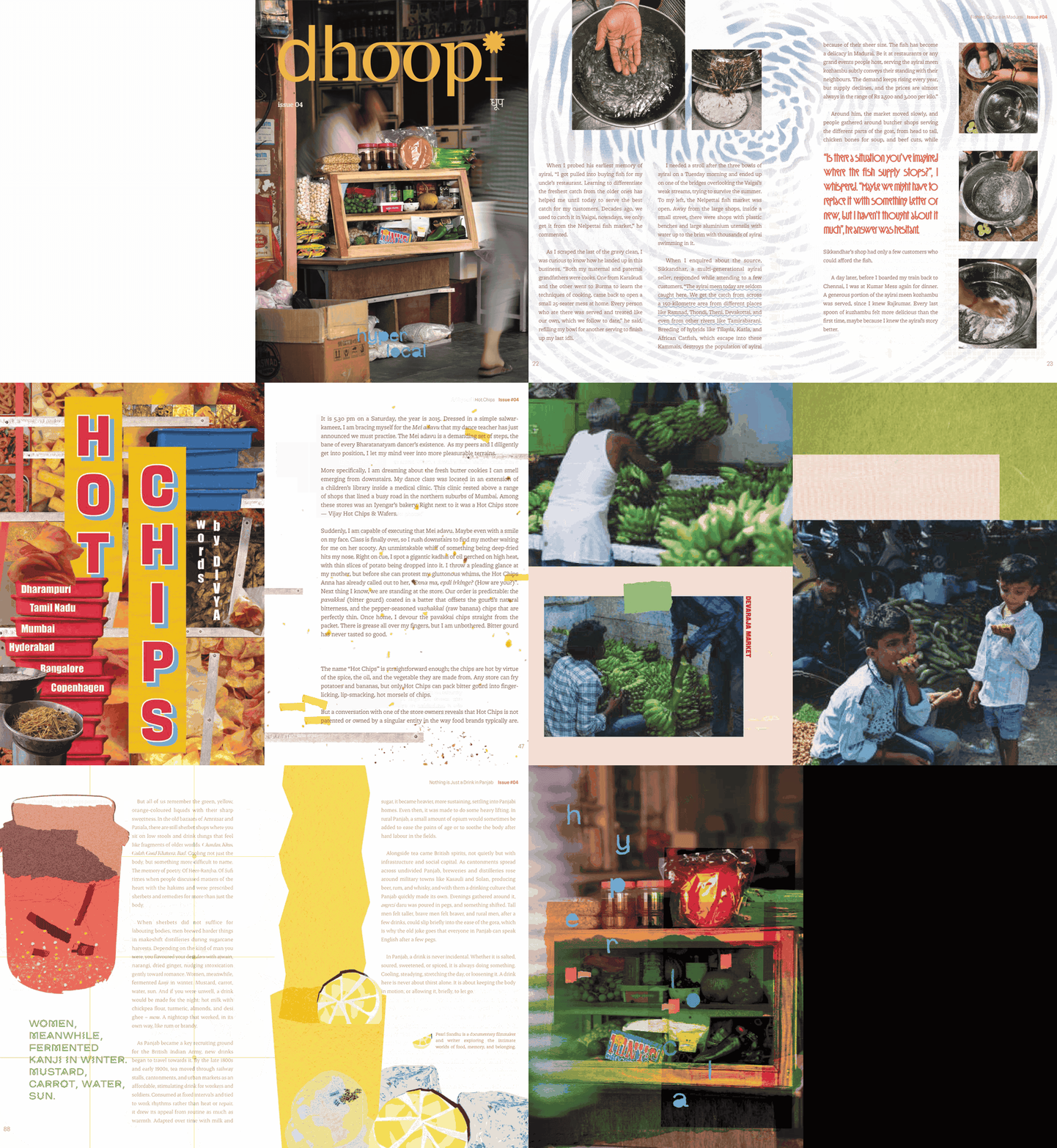
With the fourth issue of dhoop, we wanted to explore food through the lens of places and places through the food that defines them. During this journey, the term hyperlocal presented itself through literature, pop culture, media, reels, and branding terminology — it was everywhere. Did we know what it exactly meant? No. Do we know what it means now? Not completely.
With the fourth issue of dhoop, we wanted to explore food through the lens of places and places through the food that defines them. During this journey, the term hyperlocal presented itself through literature, pop culture, media, reels, and branding terminology — it was everywhere. Did we know what it exactly meant? No. Do we know what it means now? Not completely.
Well, in this case, defining is only part of the objective because defining it limits how we understand it, how we view the world, and how we imagine. What if we deconstruct the term and what it has come to mean, and remake it in our own way?
Well, in this case, defining is only part of the objective because defining it limits how we understand it, how we view the world, and how we imagine. What if we deconstruct the term and what it has come to mean, and remake it in our own way?
Featured Column
Featured Column
Featured Column
Featured Column

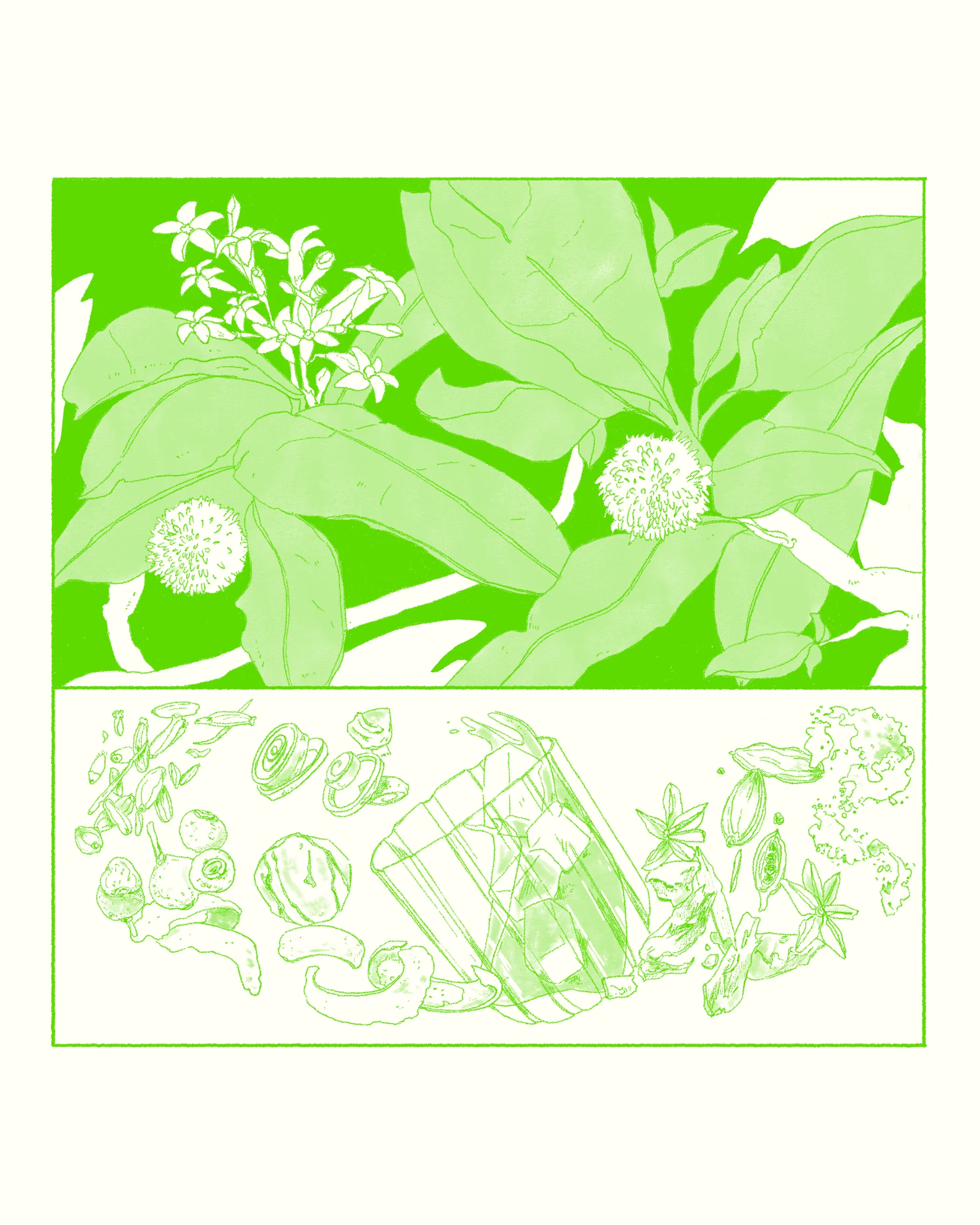
Culture
Culture
Culture
Culture
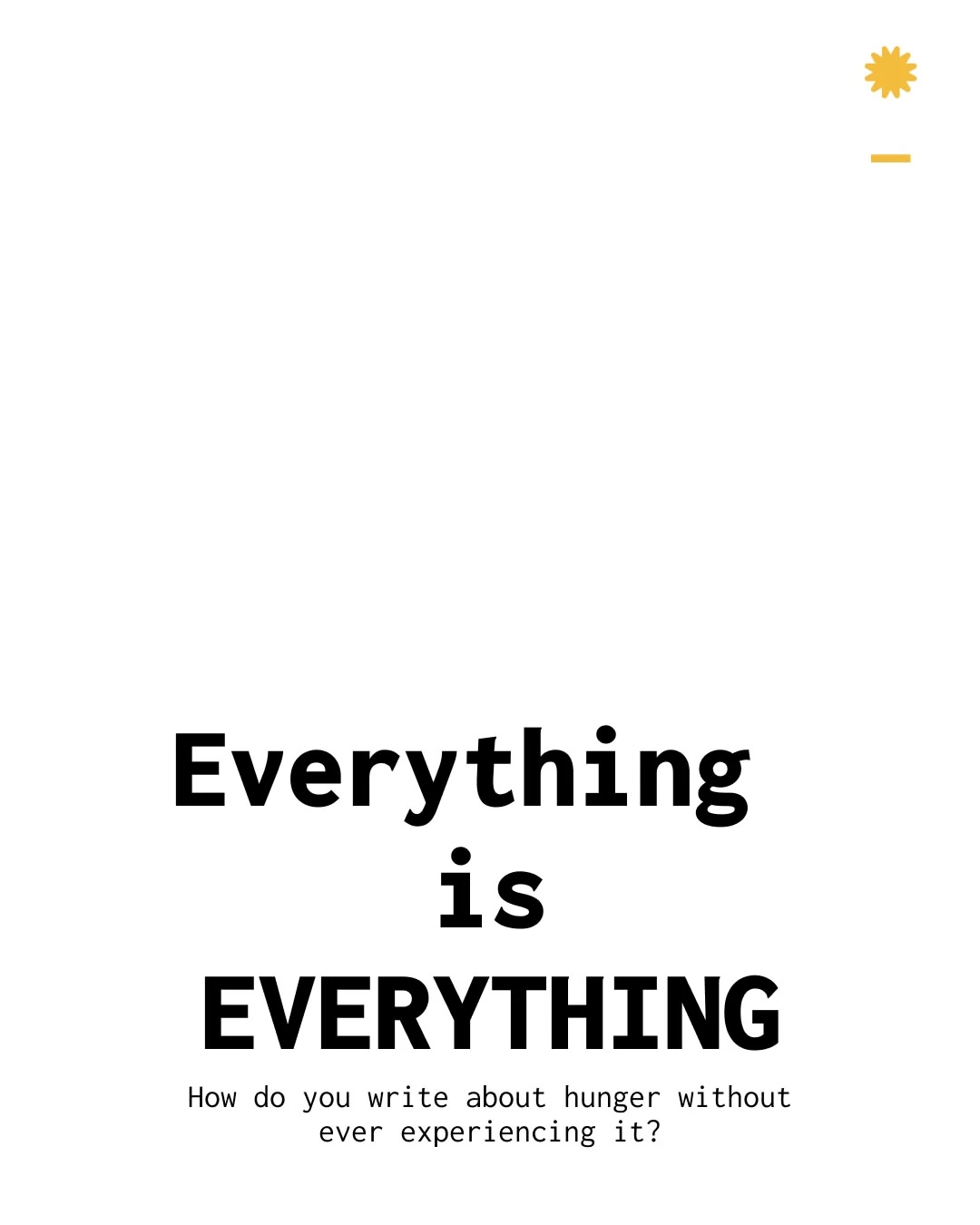
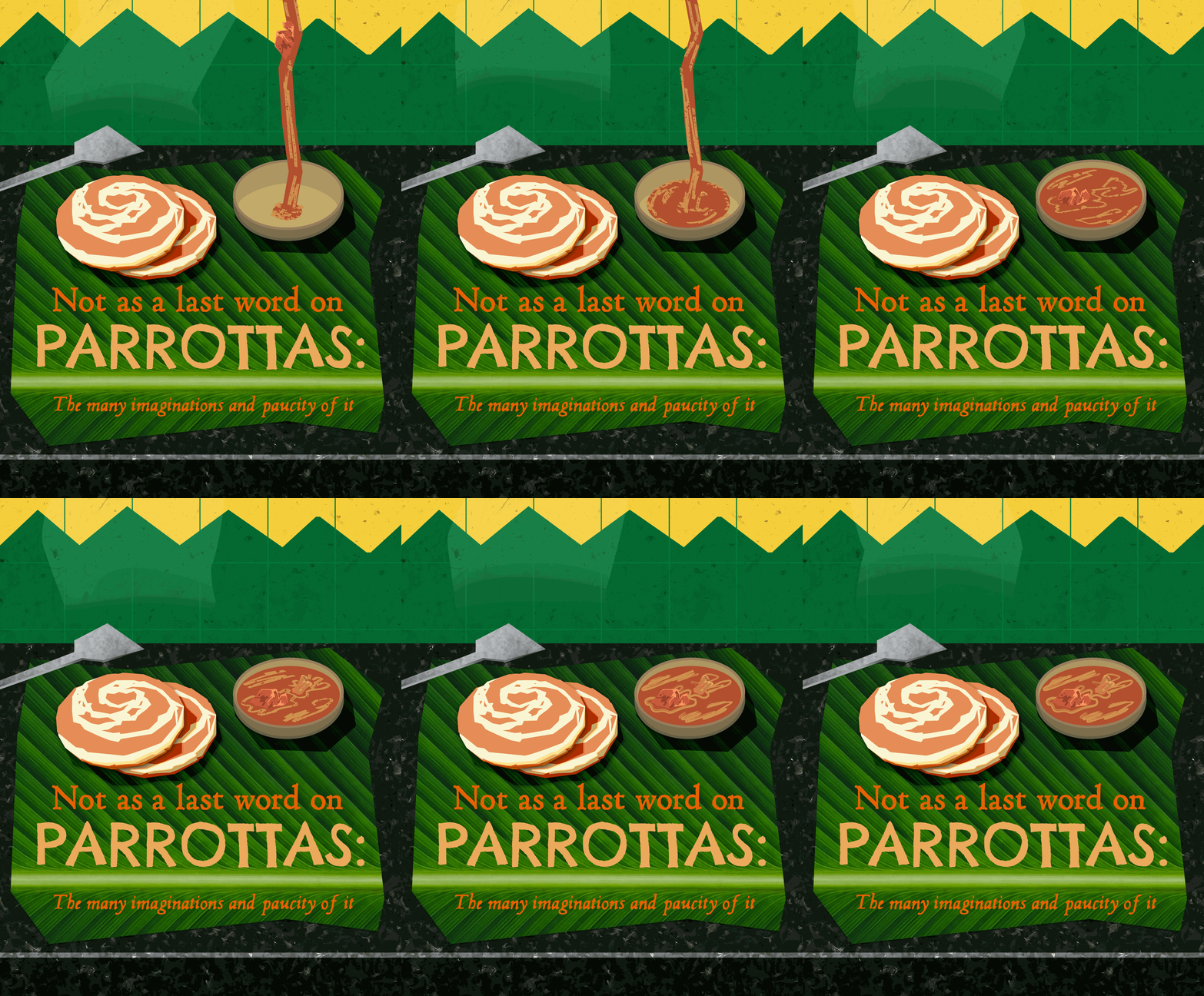
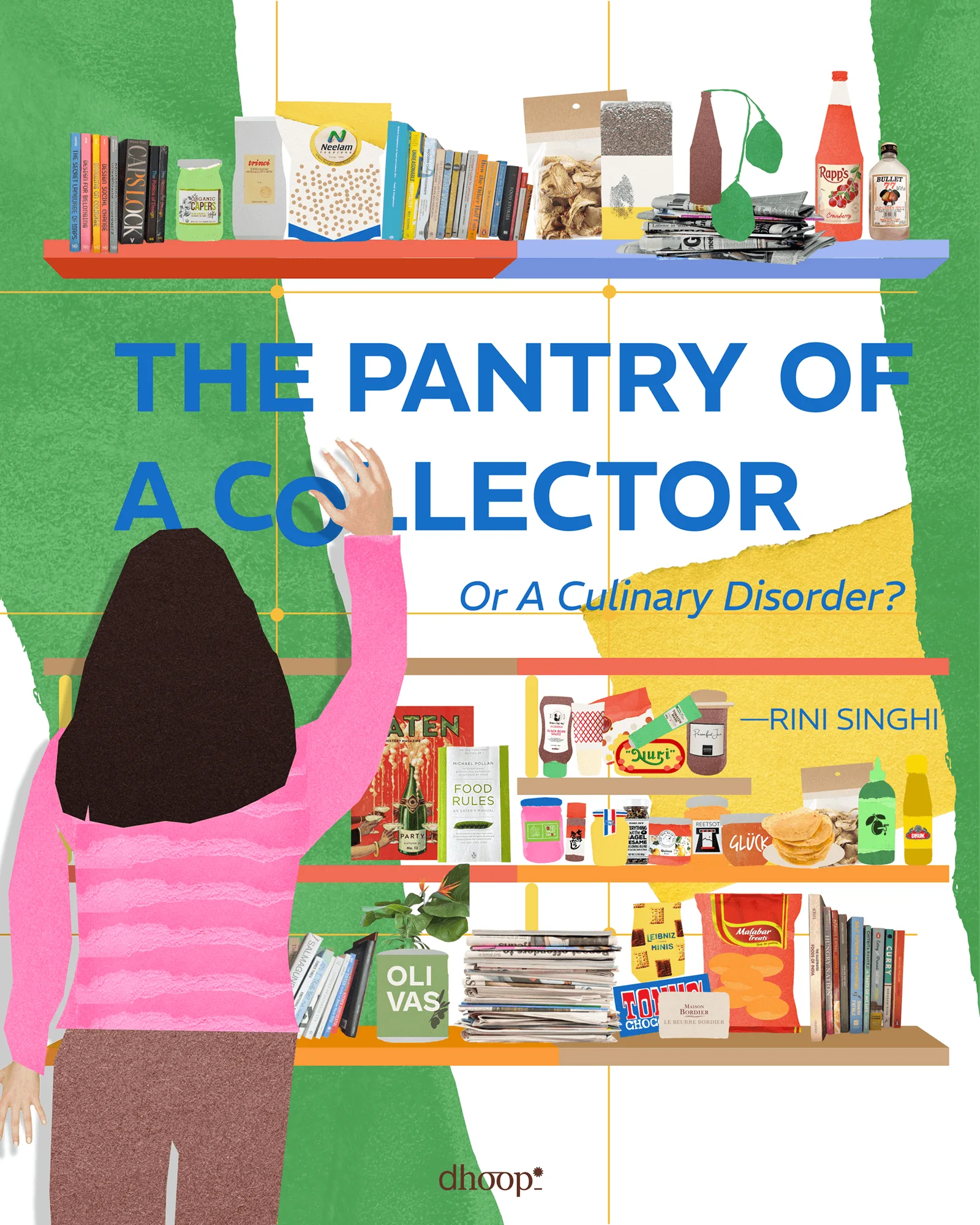
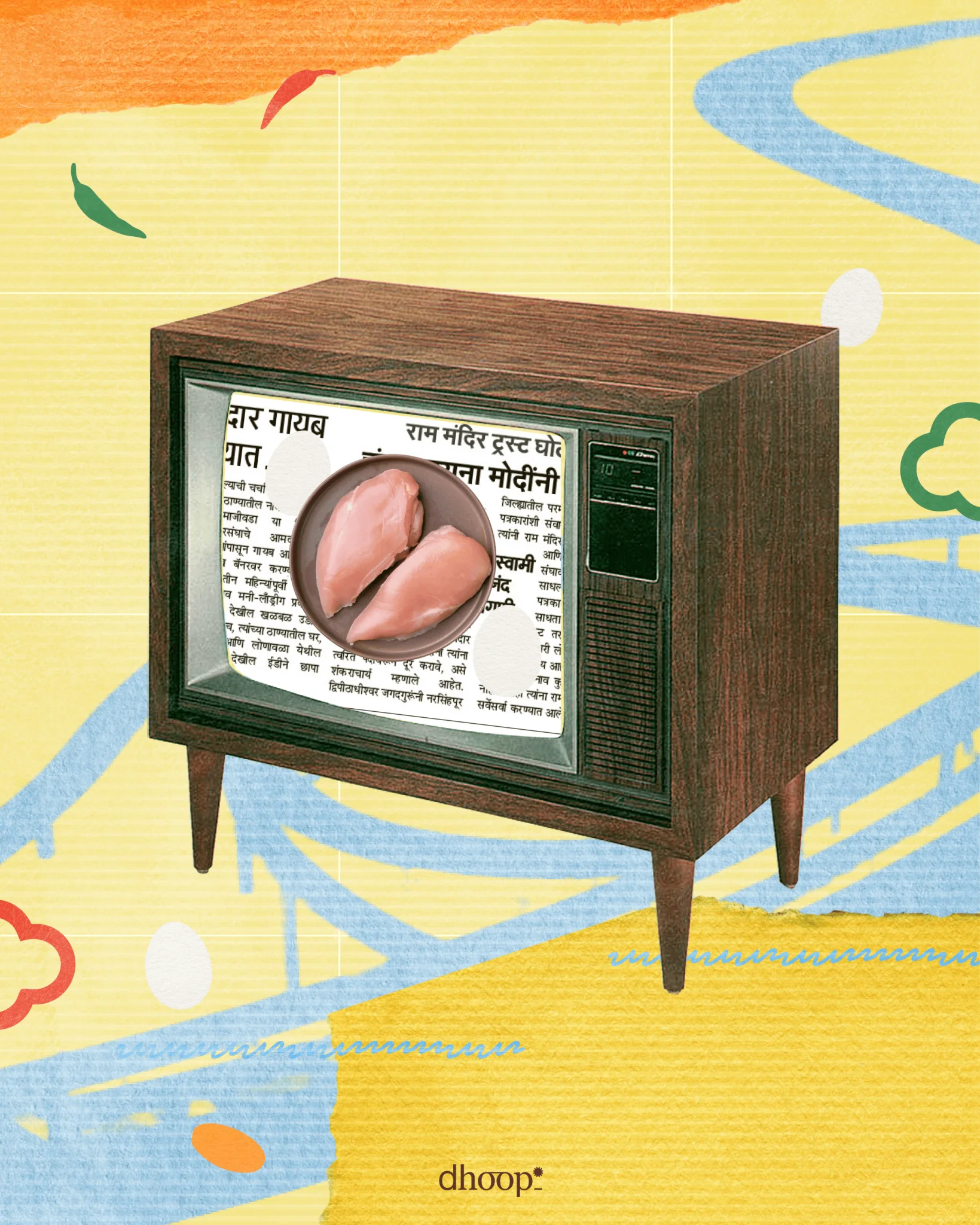
Collaboration
Collaboration
Collaboration
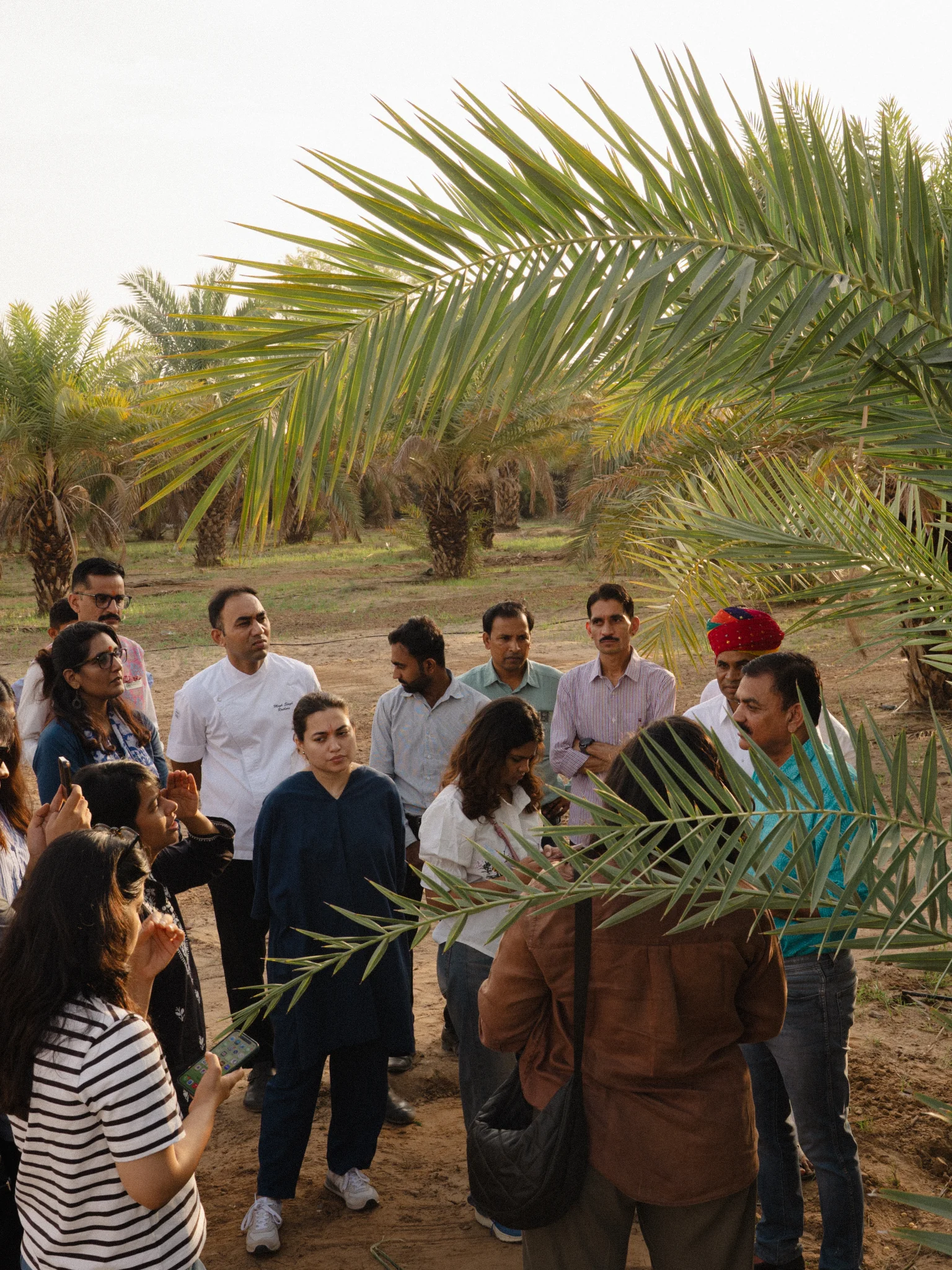
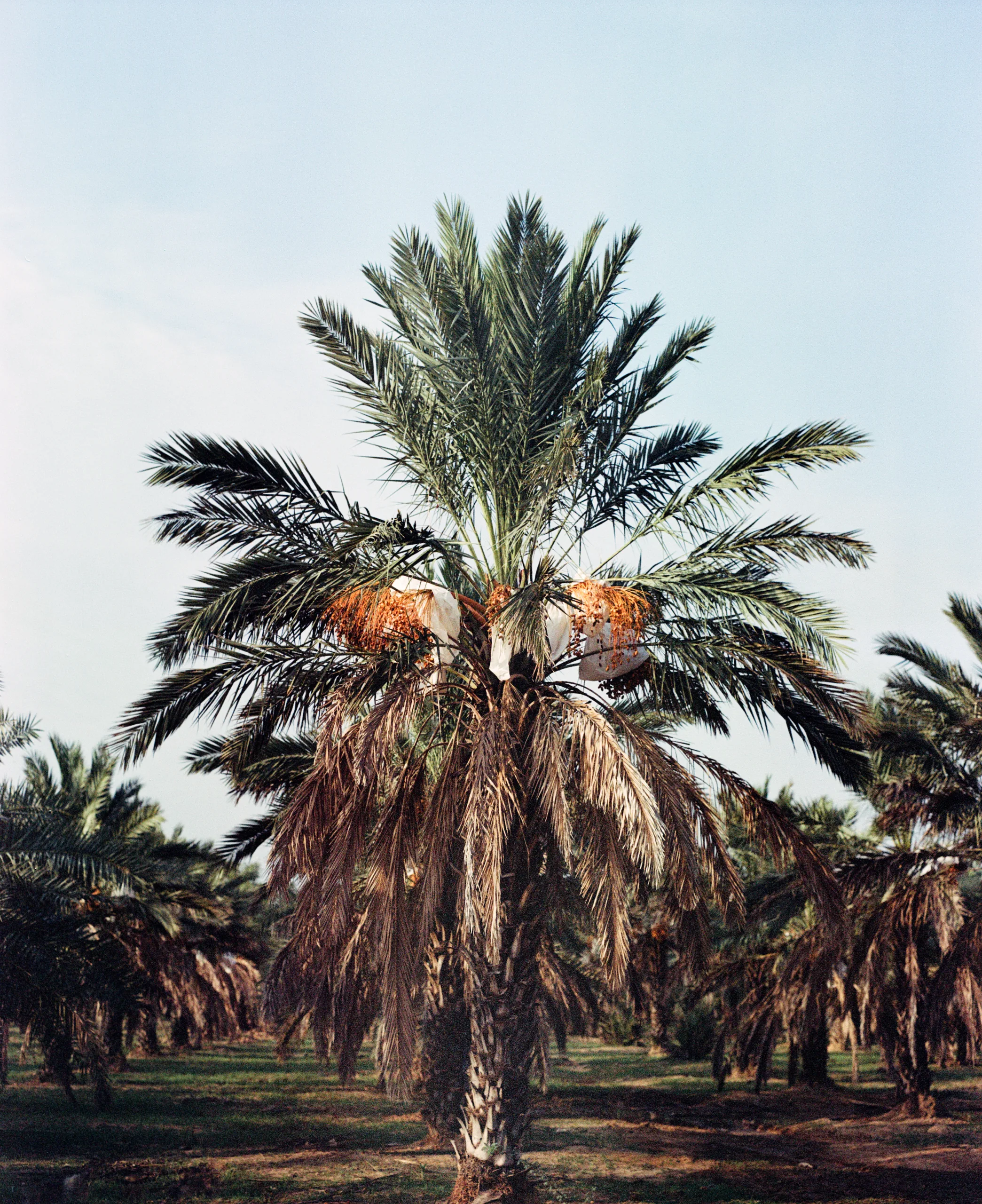
Khajoornama x Dhoop
Khajoornama x Dhoop
Khajoornama x Dhoop

Nature
Nature
Nature
Nature
Issue 4: Hyperlocal
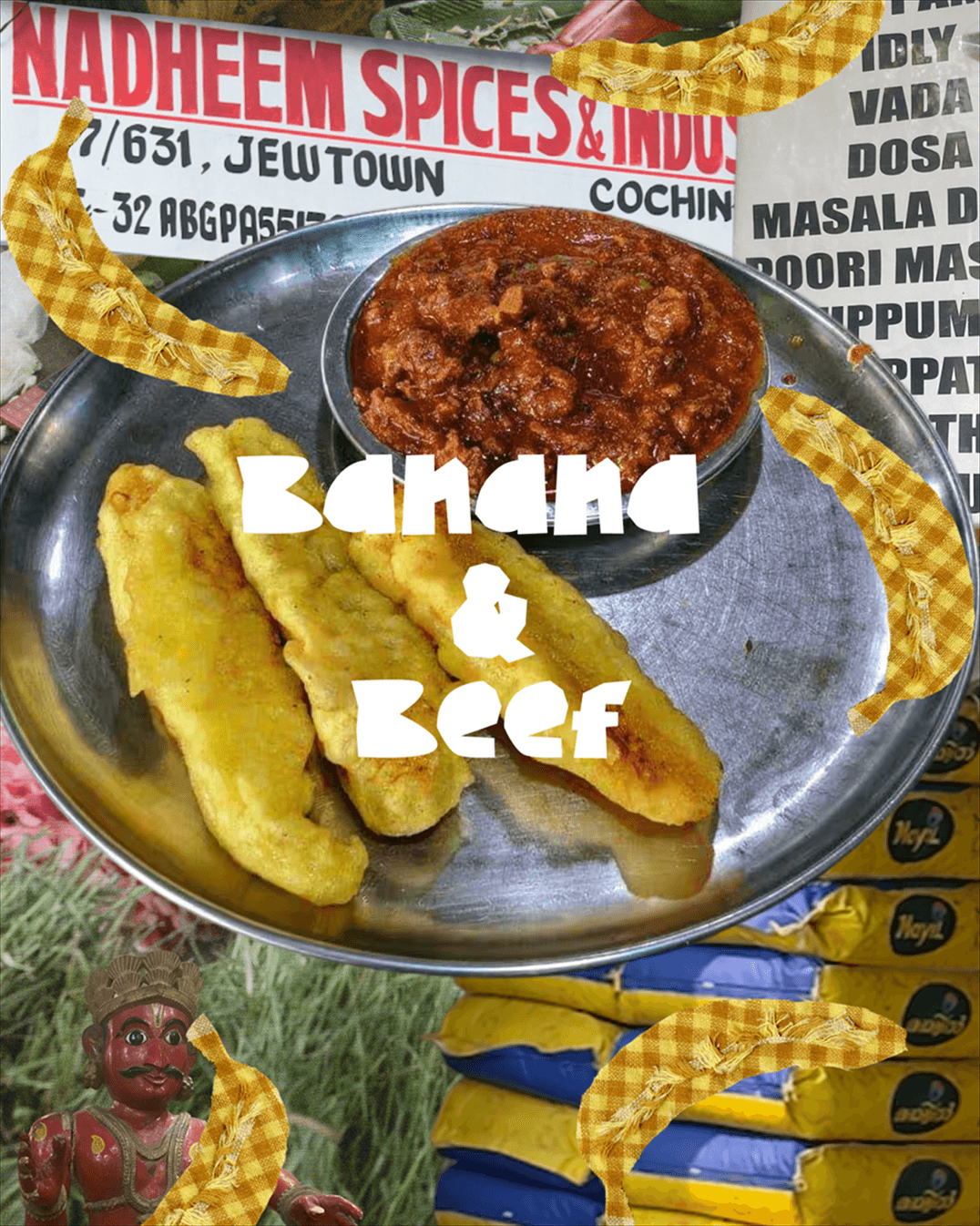
Banana And Beef
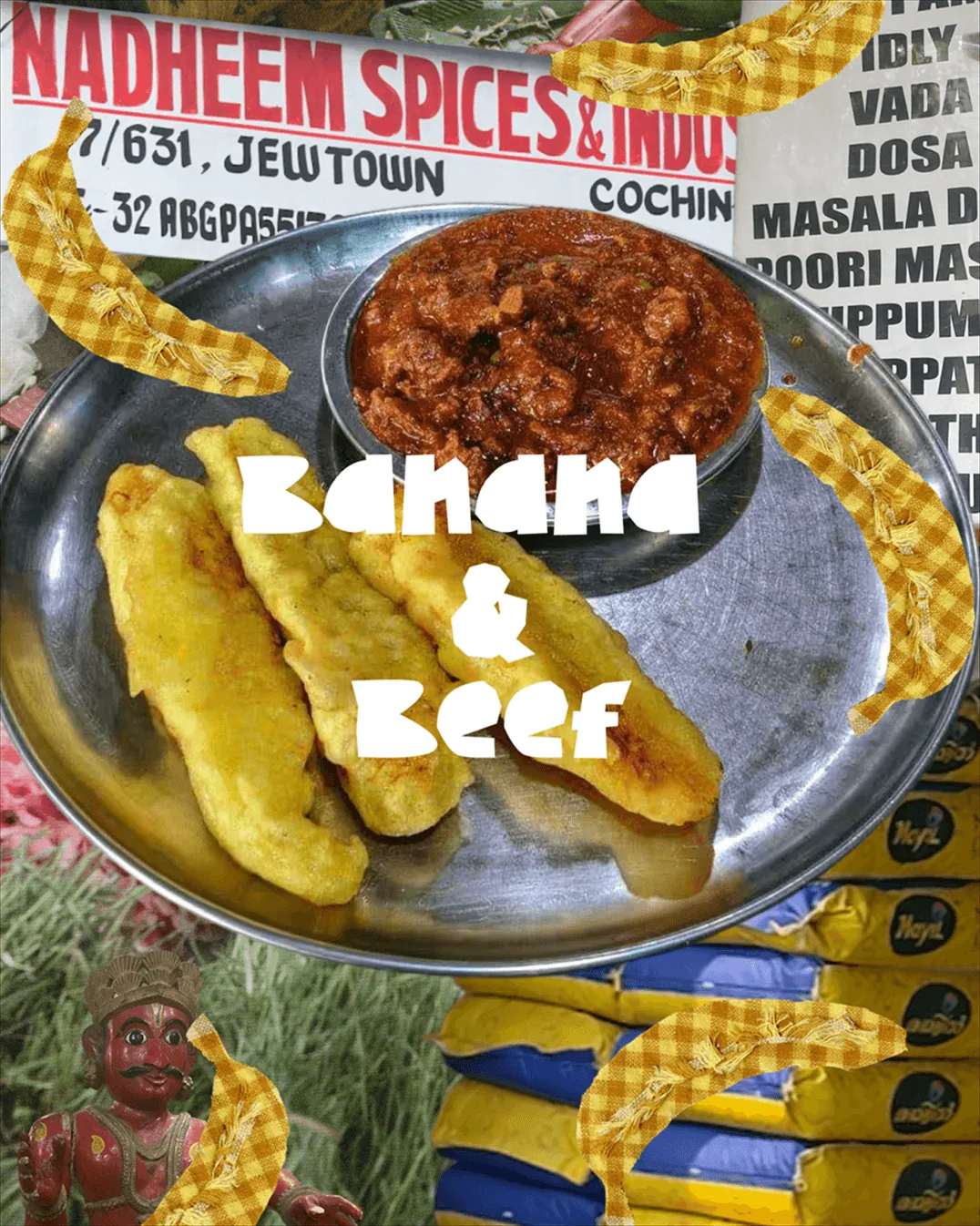
Unusual food combinations are de rigueur these days — think Oreos and orange juice, vanilla ice cream with soy sauce, Diet Coke with jalapeño juice, even dosa with ramen as a filling.
Nature
Banana And Beef
Unusual food combinations are de rigueur these days — think Oreos and orange juice, vanilla ice cream with soy sauce, Diet Coke with jalapeño juice, even dosa with ramen as a filling.
Issue 4: Hyperlocal
Banana And Beef
Unusual food combinations are de rigueur these days — think Oreos and orange juice, vanilla ice cream with soy sauce, Diet Coke with jalapeño juice, even dosa with ramen as a filling.
Banana And Beef
Unusual food combinations are de rigueur these days — think Oreos and orange juice, vanilla ice cream with soy sauce, Diet Coke with jalapeño juice, even dosa with ramen as a filling.



Contribute
Contribute
Contribute
Contribute
A good story, like a good dish, is born out of a carefully considered and well-executed recipe. A pitch is very much like that. A good pitch should be more than a headline and less than a story.
A good story, like a good dish, is born out of a carefully considered and well-executed recipe. A pitch is very much like that. A good pitch should be more than a headline and less than a story.
A good story, like a good dish, is born out of a carefully considered and well-executed recipe. A pitch is very much like that. A good pitch should be more than a headline and less than a story.
Share what you have in mind and we can build something together.
Share what you have in mind and we can build something together.
Share what you have in mind and we can build something together.
Share what you have in mind and we can build something together.
Reading List
Reading List
Issue #4
Issue #4
a long list of reading on hyperlocal food, local food systems, informal networks, food as resistance, food as symbol, local flavours, global reach, tastebuds, terroir, soil, tags and climate. Do you know what is truly hyperlocal? Even we are constantly learning.
a long list of reading on hyperlocal food, local food systems, informal networks, food as resistance, food as symbol, local flavours, global reach, tastebuds, terroir, soil, tags and climate. Do you know what is truly hyperlocal? Even we are constantly learning.
See the list
Issue #3
Issue #3
You'll find readings that are spread across a wide a spectrum — from cooking for one to cooking for many, from the gender of the cook to the gender of the eater, from tools and technology that ease and complicate cooking to relationships one has with this act. There is more to cooking than you might think!
You'll find readings that are spread across a wide a spectrum — from cooking for one to cooking for many, from the gender of the cook to the gender of the eater, from tools and technology that ease and complicate cooking to relationships one has with this act. There is more to cooking than you might think!
See the list
Issue #2
Issue #2
The act of eating together is deeply meaningful to many, troublesome for some and alienating for others. Commensality is not all romantic. Through this reading list we have tried to put together a diverse range of stuff that we read before putting this issue of there.
The act of eating together is deeply meaningful to many, troublesome for some and alienating for others. Commensality is not all romantic. Through this reading list we have tried to put together a diverse range of stuff that we read before putting this issue of there.
See the list
View the full list
View the full list
Reading List
Issue #4
a long list of reading on hyperlocal food, local food systems, informal networks, food as resistance, food as symbol, local flavours, global reach, tastebuds, terroir, soil, tags and climate. Do you know what is truly hyperlocal? Even we are constantly learning.
See the list
Issue #3
You'll find readings that are spread across a wide a spectrum — from cooking for one to cooking for many, from the gender of the cook to the gender of the eater, from tools and technology that ease and complicate cooking to relationships one has with this act. There is more to cooking than you might think!
See the list
Issue #2
The act of eating together is deeply meaningful to many, troublesome for some and alienating for others. Commensality is not all romantic. Through this reading list we have tried to put together a diverse range of stuff that we read before putting this issue of there.
See the list
View the full list
Reading List
Issue #4
a long list of reading on hyperlocal food, local food systems, informal networks, food as resistance, food as symbol, local flavours, global reach, tastebuds, terroir, soil, tags and climate. Do you know what is truly hyperlocal? Even we are constantly learning.
See the list
Issue #3
You'll find readings that are spread across a wide a spectrum — from cooking for one to cooking for many, from the gender of the cook to the gender of the eater, from tools and technology that ease and complicate cooking to relationships one has with this act. There is more to cooking than you might think!
See the list
Issue #2
The act of eating together is deeply meaningful to many, troublesome for some and alienating for others. Commensality is not all romantic. Through this reading list we have tried to put together a diverse range of stuff that we read before putting this issue of there.
See the list
View the full list
Dhoop Studio
Dhoop Studio
Dhoop Studio
Dhoop Studio
We want to uncover what makes you ‘YOU’ and build on it further with a community IP, a physical artefact, a design intervention or a concept that’s memorable and unmissable.
We want to uncover what makes you ‘YOU’ and build on it further with a community IP, a physical artefact, a design intervention or a concept that’s memorable and unmissable.
We want to uncover what makes you ‘YOU’ and build on it further with a community IP, a physical artefact, a design intervention or a concept that’s memorable and unmissable.
We want to uncover what makes you ‘YOU’ and build on it further with a community IP, a physical artefact, a design intervention or a concept that’s memorable and unmissable.

Some dhoop for you!
Sign up for our newsletter.
dhoop uses food as a lens. Through this lens, we interrogate culture, sustainability, design, and the systems that sustain life. We started as a magazine focused on stories of food and its intersections.
Issue 04: Hyperlocal
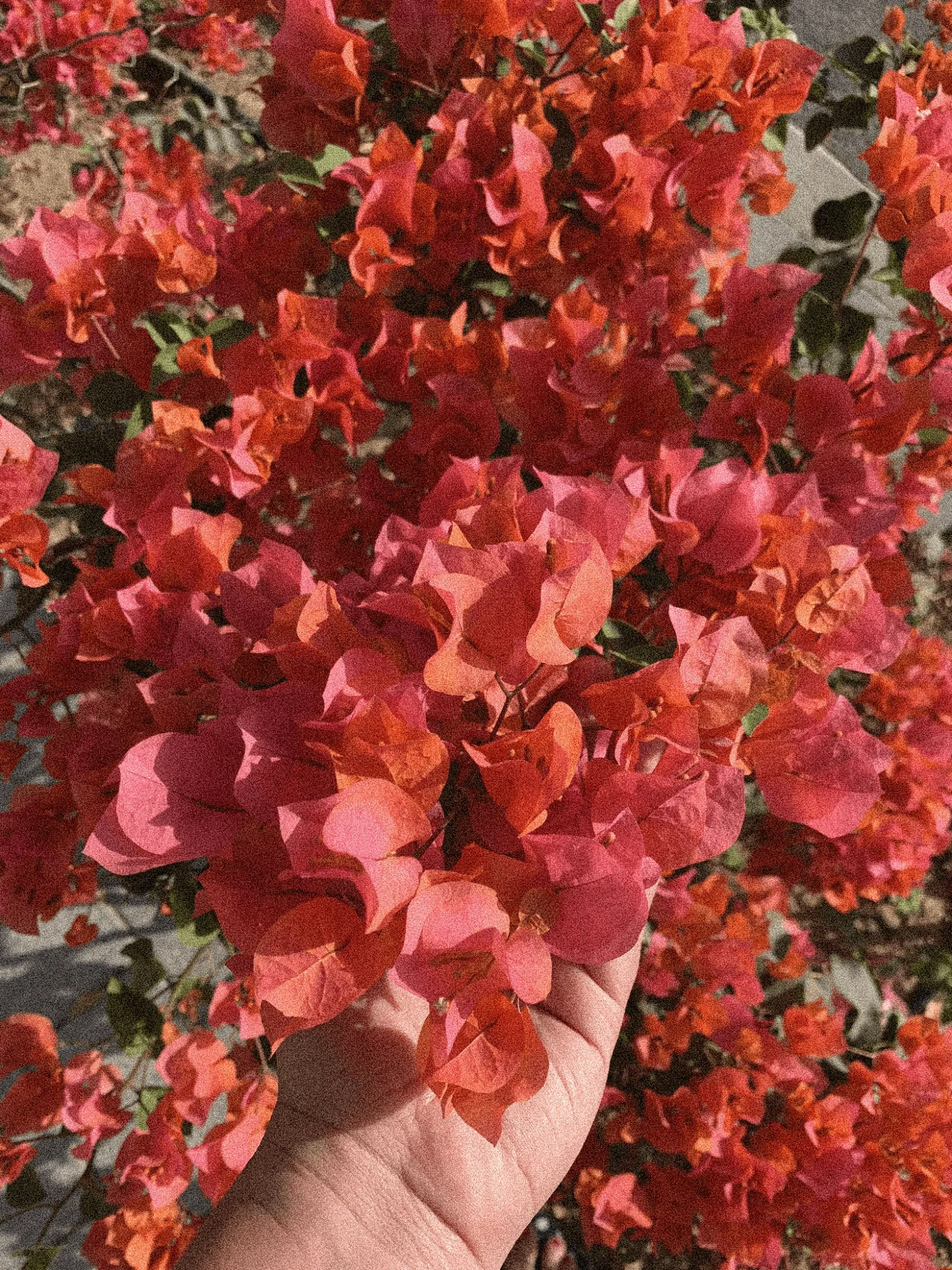
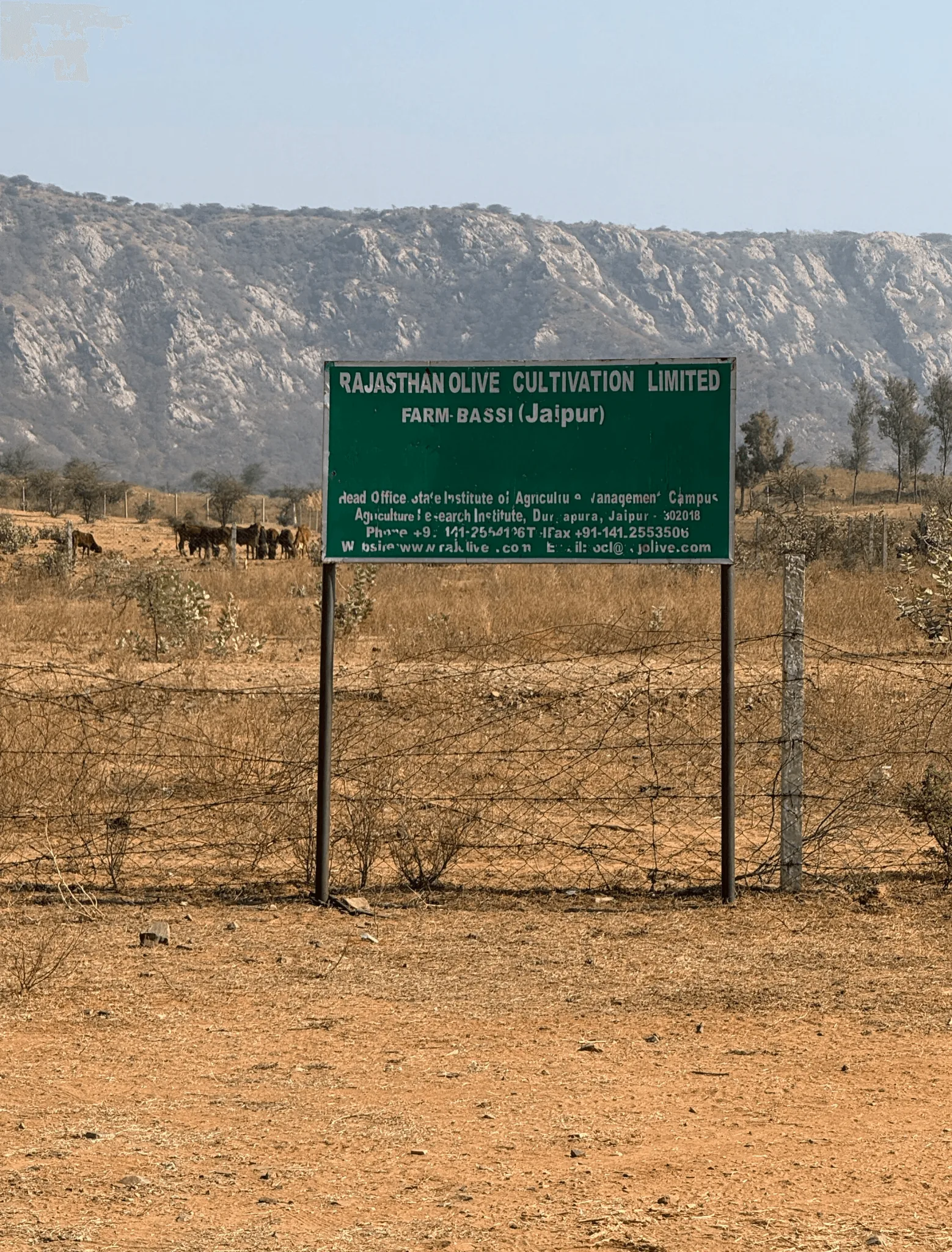
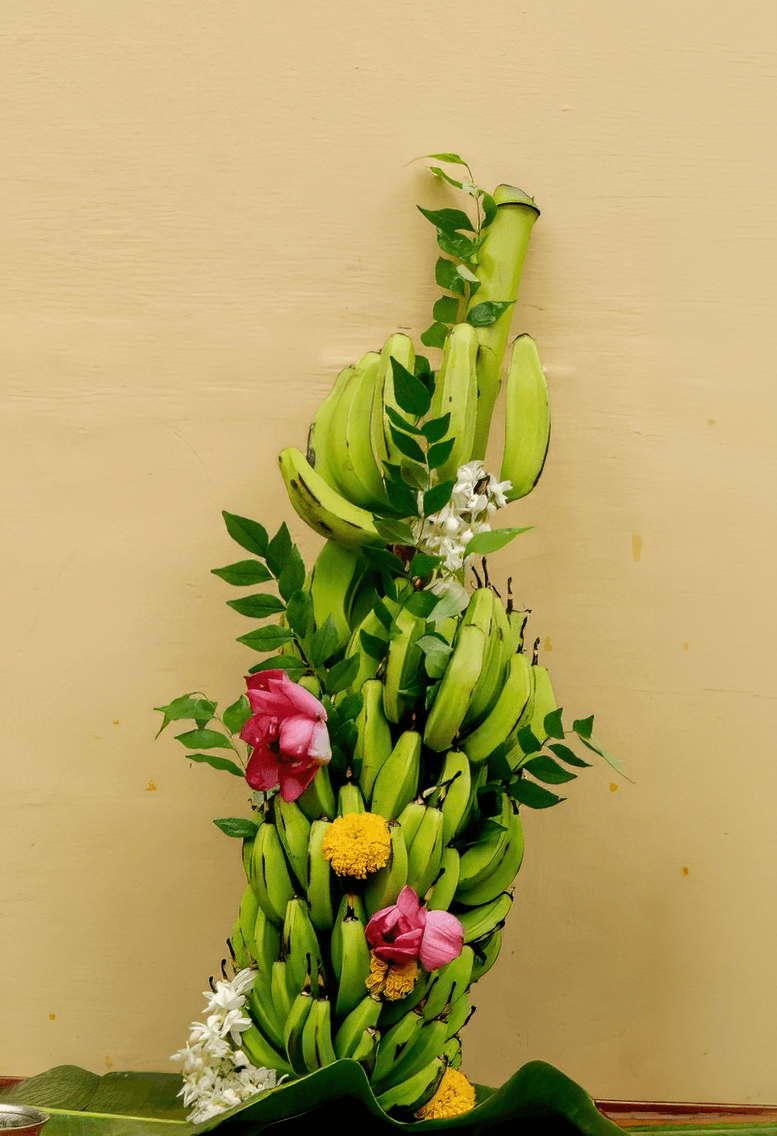
Speaking of man-made, who decided what is local to a place? Can only native, indigenous things be local? If origin doesn’t make something truly hyperlocal, what does? Could it be the destination? Indigenisation? Re-territorialisation? Or, naturalisation? Is local something you are born with, or is it something you simply become?
Some dhoop for you!
Sign up for our newsletter.
dhoop uses food as a lens. Through this lens, we interrogate culture, sustainability, design, and the systems that sustain life. We started as a magazine focused on stories of food and its intersections.
We work out of Jaipur, Bangalore & Mumbai
Issue 04: Hyperlocal
Speaking of man-made, who decided what is local to a place? Can only native, indigenous things be local? If origin doesn’t make something truly hyperlocal, what does? Could it be the destination? Indigenisation? Re-territorialisation? Or, naturalisation? Is local something you are born with, or is it something you simply become?
Some dhoop for you!
Sign up for our newsletter.
dhoop uses food as a lens. Through this lens, we interrogate culture, sustainability, design, and the systems that sustain life. We started as a magazine focused on stories of food and its intersections.
Issue 04: Hyperlocal
Speaking of man-made, who decided what is local to a place? Can only native, indigenous things be local? If origin doesn’t make something truly hyperlocal, what does? Could it be the destination? Indigenisation? Re-territorialisation? Or, naturalisation? Is local something you are born with, or is it something you simply become?
Some dhoop for you!
Sign up for our newsletter here.
dhoop uses food as a lens. Through this lens, we interrogate culture, sustainability, design, and the systems that sustain life. We started as a magazine focused on stories of food and its intersections.
We work out of Jaipur, Bangalore & Mumbai
Issue 04: Hyperlocal
Speaking of man-made, who decided what is local to a place? Can only native, indigenous things be local? If origin doesn’t make something truly hyperlocal, what does? Could it be the destination? Indigenisation? Re-territorialisation? Or, naturalisation? Is local something you are born with, or is it something you simply become?