The Trend-to-Production Phenomenon Ft. Matcha

The Trend-to-Production Phenomenon Ft. Matcha

dhoop

dhoop

Jun 30, 2025

Jun 30, 2025

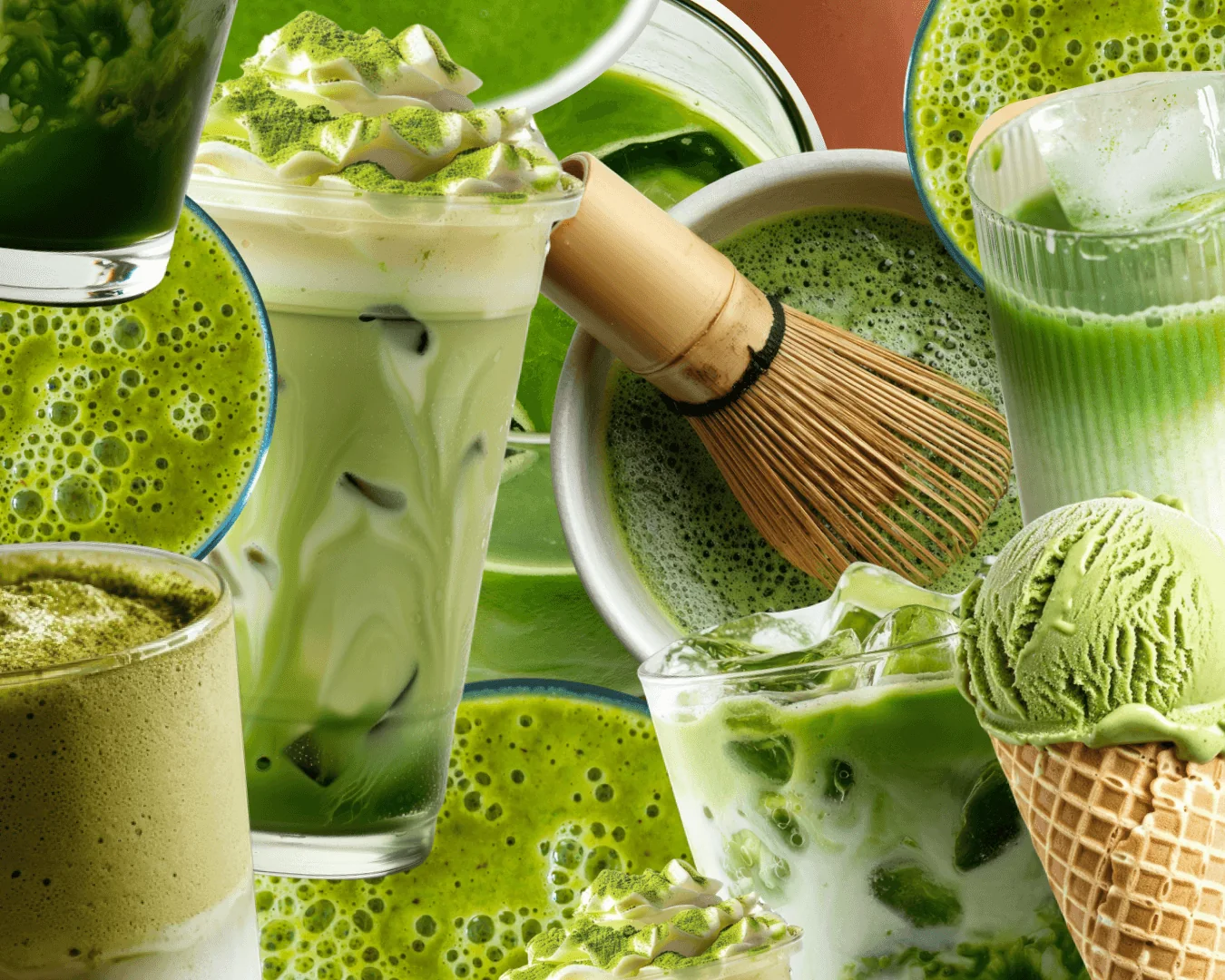
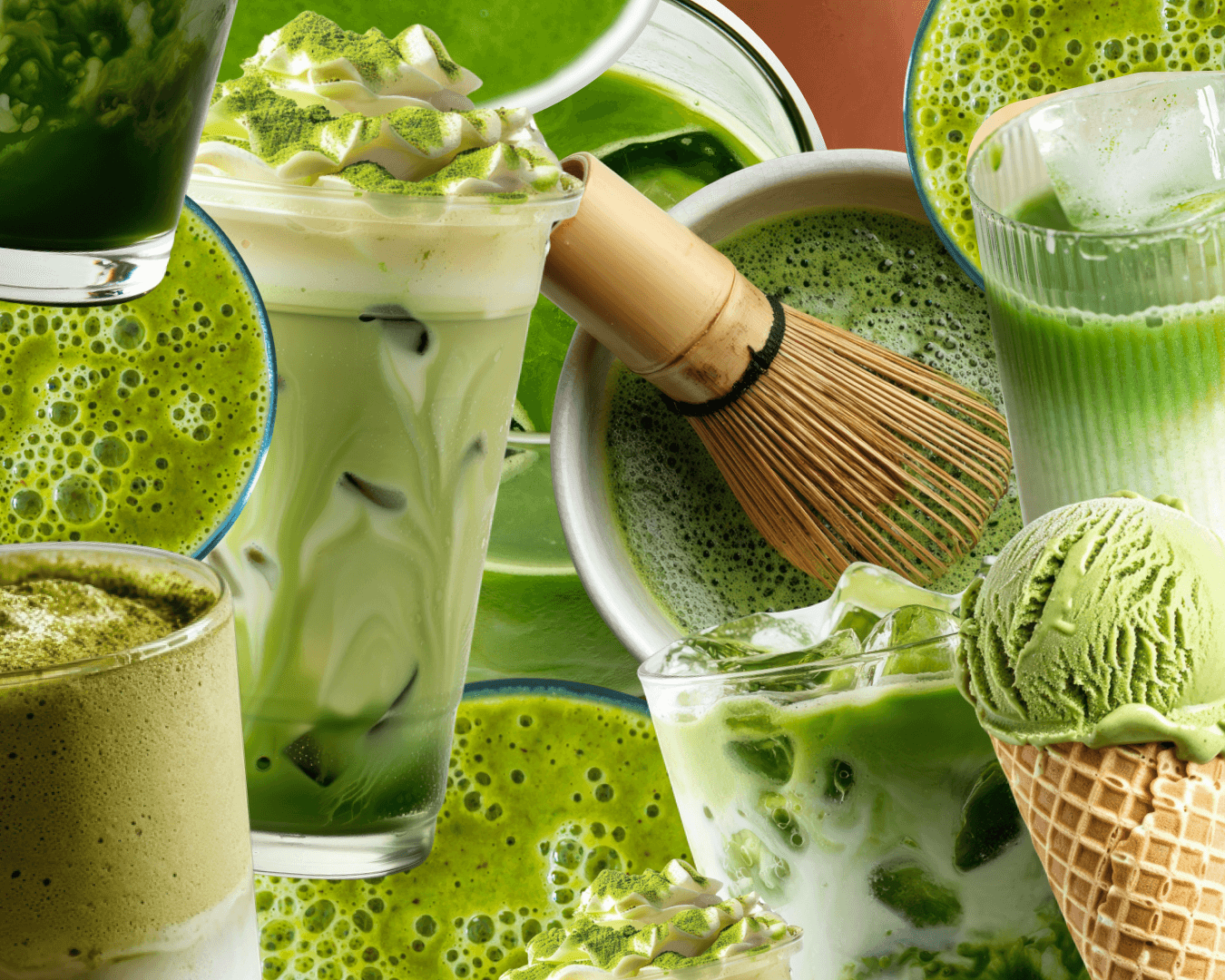
It takes a full-growing season to respond to a trend. While the matcha lattes we sip gain virality overnight, the process of growing the tea plant that produces it requires months of careful cultivation as with any other crop. Especially in the case of matcha, where the process is so detail-oriented.

The Trend-to-Production Phenomenon Ft. Matcha

The Trend-to-Production Phenomenon Ft. Matcha

Rini Singhi

Rini Singhi

Jun 30, 2025

Jun 30, 2025

It takes a full-growing season to respond to a trend. While the matcha lattes we sip gain virality overnight, the process of growing the tea plant that produces it requires months of careful cultivation as with any other crop. Especially in the case of matcha, where the process is so detail-oriented.

27 billion views on TikTok, 9 million tags on Instagram.

27 billion views on TikTok, 9 million tags on Instagram.

27 billion views on TikTok, 9 million tags on Instagram.

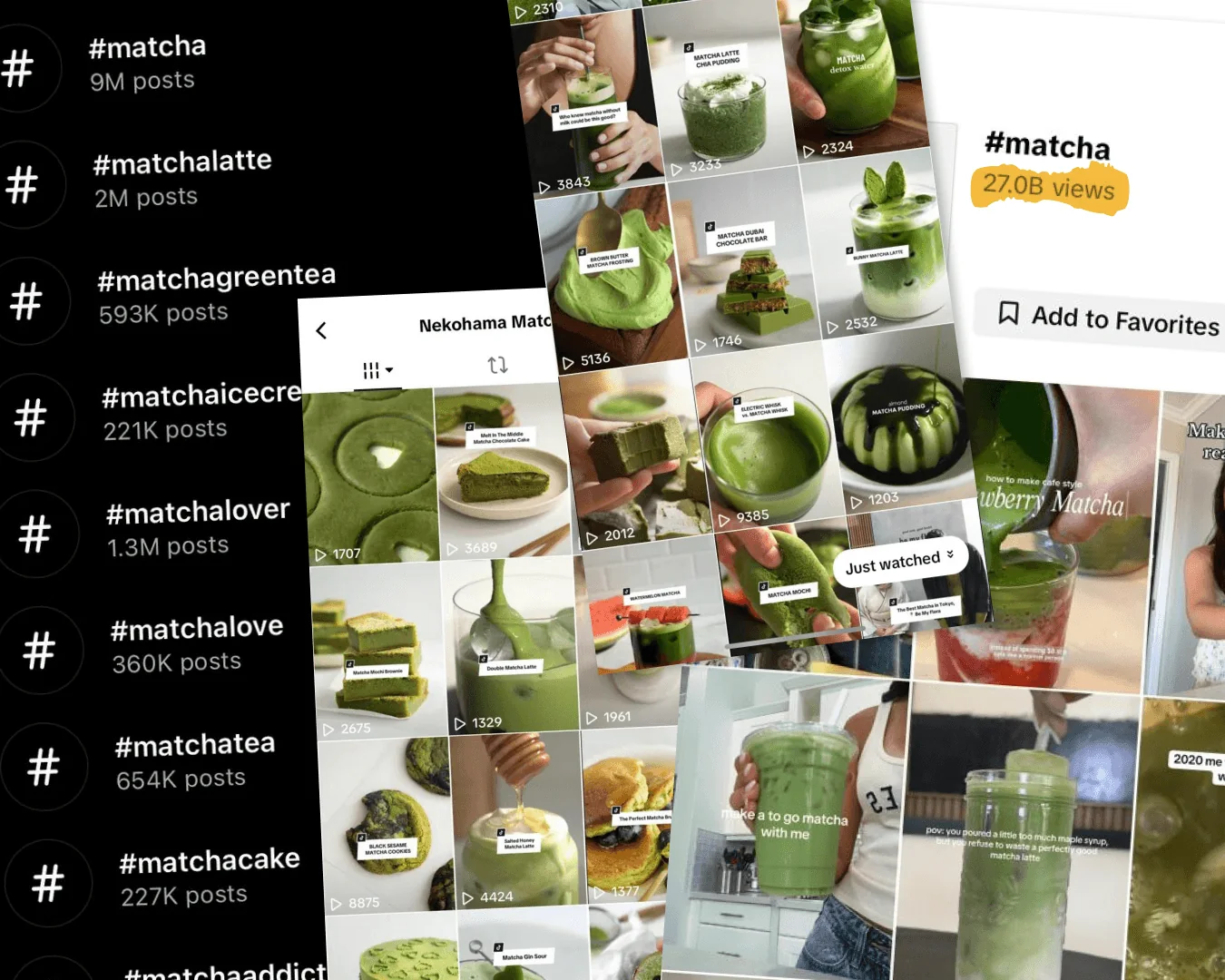
27 billion views on TikTok, 9 million tags on Instagram, and almost 100+ accounts (with ‘matcha’ as part of their username) on social media have transformed the landscape of tea in Japan. If you go to the search bar of a food delivery platform in India right now and look for matcha, you’d easily find matcha cafes (Tokyo Matcha Bar, Sakura Matcha, GotTea) or existing cafes offering matcha on their menus ( Chaayos, Third Wave Coffee Roasters, Blue Tokai, Boojee) to adapt to the trend. If you did the same thing two years ago, you would barely find an option or two.

This Trend-to-Production phenomenon is not new. It starts with a novel ingredient or product that gains traction on social media because of its assumed health halo, wellness/ritualistic associations, lifestyle signaling, and the sense of belonging it provides to something larger (a group or a movement). This increase in demand needs to be catered to; the raw material needs to be produced at scale. The growers have more incentive to grow – surging global demands. Even the government in Japan is pushing farmers to move away from sencha (a type of tea commonly consumed in Japan) and grow more tencha (the leaves that are ground into matcha). Decisions are taken, land is tilled and the soil is fortified– all of this to cater to the growing thirst all over the world. And leaving other crops to cater to popular trends. Suddenly, it is everywhere.

27 billion views on TikTok, 9 million tags on Instagram.

This trend-to-production phenomenon is highly dependent on the trend. But what if the trend fizzles out? Or what if it sustains?? What are the true consequences of transforming the landscape? We have seen the same thing happening for the Dubai-pistachio chocolate, mezcal, almond milk etc. On one hand this growing demand will finally let the farmer get the due value they deserve and for people to enjoy and appreciate a beverage and its culture all over the world. On the other hand, this immense volume often blurs the standards, quality and the associated novelty with the product. And it has real environmental consequences (water shortage, monoculture, overexerting labour) in hindsight.

If we unpack this trend-to-production cycle, we are left with more questions. At every step of the cycle, the novel ingredient becomes more embedded in our food systems. Like chai or coffee. In the case of matcha, the novelty also comes from consuming a drink that’s almost as complex as wine – location, season, way of growing, age, colour etc. It’s something that tea practitioners in Japan spend years studying!

Too much matcha?

This phenomenon is dictated by speed. It is based on first mover advantages, products and efficiency. But the product in question is not made in a factory, and producing it at scale is not an operations problem but a larger system problem that doesn’t easily allow quick production, or quick understanding of its cultural nuances.

A lot is lost in the journey that a tin of matcha takes from Japan to other countries. For example, in Japan, there is no standard way of categorising matcha: every brand has their own categorisation. So the terms used for grading matcha that all of us know of , like “ceremonial” or “culinary” are not regulated. They were supposedly invented by John Harrison the founder of a Canadian matcha company DoMatcha for the western audiences to understand the idea of how tea ceremonies are tied to matcha. So, if you start a matcha brand, you too, can slap the terms ceremonial or culinary on your labels and it won’t be a judge of the quality.

Trend-to-Production phenomenon. Created by Rini Singhi

As matcha scales globally, its complexity becomes a translation problem. How do you sell something so nuanced to consumers? How do you make sense of changing entire ecosystems based on the love for matcha? And, how do you make sense of people eventually moving on?
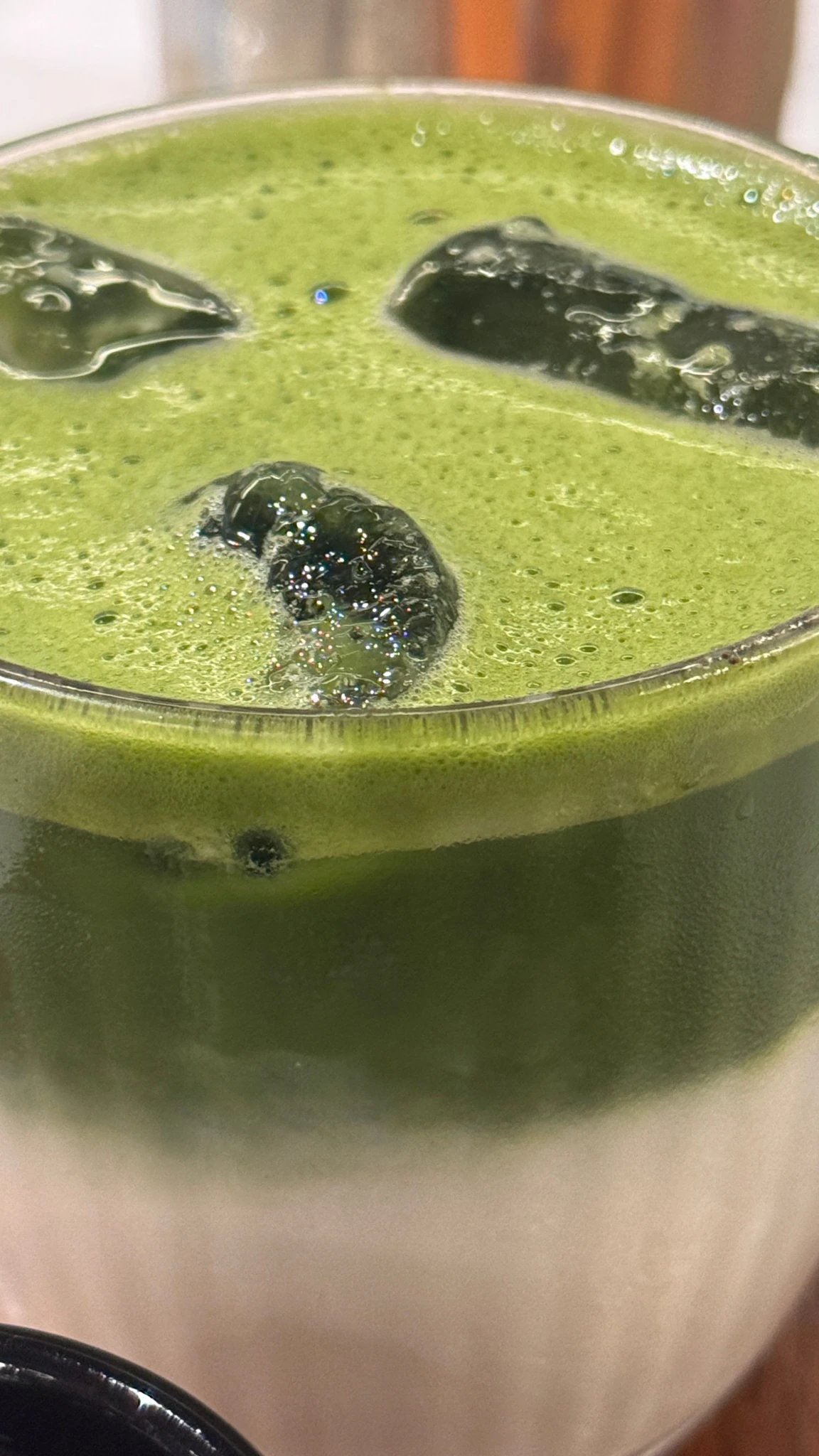

27 billion views on TikTok, 9 million tags on Instagram.

27 billion views on TikTok, 9 million tags on Instagram.

27 billion views on TikTok, 9 million tags on Instagram.

27 billion views on TikTok, 9 million tags on Instagram.

Explore Article tags

Explore Article tags

Explore Article tags

Explore Article tags

Your Next Read

Too Matcha! Part 1: Growing and grading

If you sit in a cafe in Bandra, in the heart of Mumbai, and scan the tables and overhear conversations, you might slip into a world where people drink iced green drinks and talk about their food businesses. “My social media agency is asking me to get into matcha, it’s the new thing everyone is talking about,” a woman sitting next to me blurts out, unaware of what I am doing – sitting alone, with a pen and paper in front of me, sipping my coffee slowly.

Your Next Read

Too Matcha! Part 1: Growing and grading

If you sit in a cafe in Bandra, in the heart of Mumbai, and scan the tables and overhear conversations, you might slip into a world where people drink iced green drinks and talk about their food businesses. “My social media agency is asking me to get into matcha, it’s the new thing everyone is talking about,” a woman sitting next to me blurts out, unaware of what I am doing – sitting alone, with a pen and paper in front of me, sipping my coffee slowly.

Your Next Read

Too Matcha! Part 1: Growing and grading

If you sit in a cafe in Bandra, in the heart of Mumbai, and scan the tables and overhear conversations, you might slip into a world where people drink iced green drinks and talk about their food businesses. “My social media agency is asking me to get into matcha, it’s the new thing everyone is talking about,” a woman sitting next to me blurts out, unaware of what I am doing – sitting alone, with a pen and paper in front of me, sipping my coffee slowly.

Your Next Read

Too Matcha! Part 1: Growing and grading

If you sit in a cafe in Bandra, in the heart of Mumbai, and scan the tables and overhear conversations, you might slip into a world where people drink iced green drinks and talk about their food businesses. “My social media agency is asking me to get into matcha, it’s the new thing everyone is talking about,” a woman sitting next to me blurts out, unaware of what I am doing – sitting alone, with a pen and paper in front of me, sipping my coffee slowly.

The Trend-to-Production Phenomenon Ft. Matcha

The Trend-to-Production Phenomenon Ft. Matcha

The Trend-to-Production Phenomenon Ft. Matcha

The Trend-to-Production Phenomenon Ft. Matcha

Some dhoop for you!

Sign up for our newsletter.

dhoop uses food as a lens. Through this lens, we interrogate culture, sustainability, design, and the systems that sustain life. We started as a magazine focused on stories of food and its intersections.

Issue 03: Cooking

This issue expands our understanding of cooking—as a practice, sure, but perhaps more importantly, as an understanding, as a language, as a memory, and in transit.

Some dhoop for you!

Sign up for our newsletter.

dhoop uses food as a lens. Through this lens, we interrogate culture, sustainability, design, and the systems that sustain life. We started as a magazine focused on stories of food and its intersections.

We work out of Jaipur, Bangalore & Mumbai

Issue 03: Cooking

This issue expands our understanding of cooking—as a practice, sure, but perhaps more importantly, as an understanding, as a language, as a memory, and in transit.

Some dhoop for you!

Sign up for our newsletter.

dhoop uses food as a lens. Through this lens, we interrogate culture, sustainability, design, and the systems that sustain life. We started as a magazine focused on stories of food and its intersections.

Issue 03: Cooking

This issue expands our understanding of cooking—as a practice, sure, but perhaps more importantly, as an understanding, as a language, as a memory, and in transit.

Some dhoop for you!

Sign up for our newsletter here.

dhoop uses food as a lens. Through this lens, we interrogate culture, sustainability, design, and the systems that sustain life. We started as a magazine focused on stories of food and its intersections.

We work out of Jaipur, Bangalore & Mumbai

Issue 03: Cooking

This issue expands our understanding of cooking—as a practice, sure, but perhaps more importantly, as an understanding, as a language, as a memory, and in transit.