Start Where You Are

Start Where You Are

dhoop

dhoop

Jul 13, 2025

Jul 13, 2025

Part 1: A garden that was always in my backyard: I have been surrounded by nature for as long as I can remember. My memory of it is blurry, but I can recall green in my peripheral vision as a distinct force. Growing up in a household of 14 people with limited space, my mother, who studied botany, found space in the cracks and crevices of our house—much like trees that grow out of concrete—to create a thriving garden.

Start Where You Are

Start Where You Are

Rini Singhi

Rini Singhi

Jul 13, 2025

Jul 13, 2025

Part 1: A garden that was always in my backyard: I have been surrounded by nature for as long as I can remember. My memory of it is blurry, but I can recall green in my peripheral vision as a distinct force. Growing up in a household of 14 people with limited space, my mother, who studied botany, found space in the cracks and crevices of our house—much like trees that grow out of concrete—to create a thriving garden.

Gooseberry, Frangipani, and other greens

Gooseberry, Frangipani, and other greens

Gooseberry, Frangipani, and other greens

The room that our family of 4 shared had a long, narrow passageway attached to the balcony. This narrow passage shared a boundary wall with our neighbours on one side and our room windows on the other. Both of these vertical structures were attached to horizontal concrete slabs that eventually left space for one person to walk in the middle. My mother glided through this thin, self-constructed path for 15 odd years, lining the grey with plants, bonsai, and trays that resembled forests, complete with fences, ponds, and tiny ceramic animals and birds.

Gooseberry, Frangipani, and other greens

Shades of pennyworth

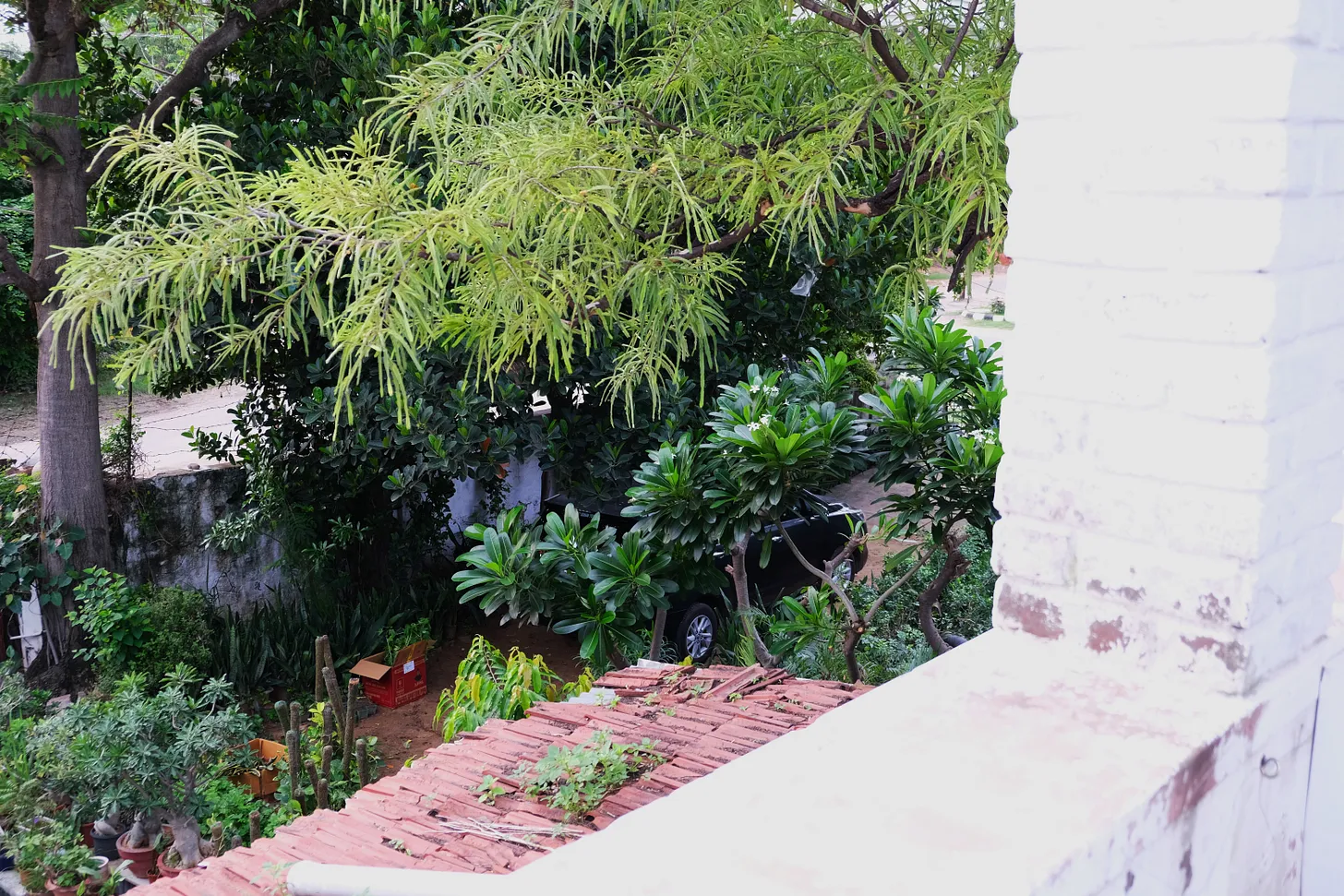
As I force myself to recall all these minute details, I remember how oblivious I was to this whole thing. When we eventually moved into an old house during the pandemic, we were bequeathed with a huge backyard (with a date tree) and a big front lawn (with a jackfruit tree). Both of these pieces of land were ignored and barren. I actively participated in watching my mother transform both of them in 3 months, through constant mulching using discarded sugarcane residue, to planting things that rejuvenated the soil. I started noticing mushrooms all around our garden—an indication that her efforts were leading to something positive. Mushrooms were a sign.

Shades of pennyworth

Grooming frangipani

This is not tour season. July 2025

I was not particularly interested or loved plants the way my mother did. In fact, I wasn't even curious. But, all of this transferred to me through osmosis, through my skin, and I think it has finally seeped into my being, as I went from ignoring to watching and eventually to actively paying attention and learning.

Gooseberry, Frangipani, and other greens

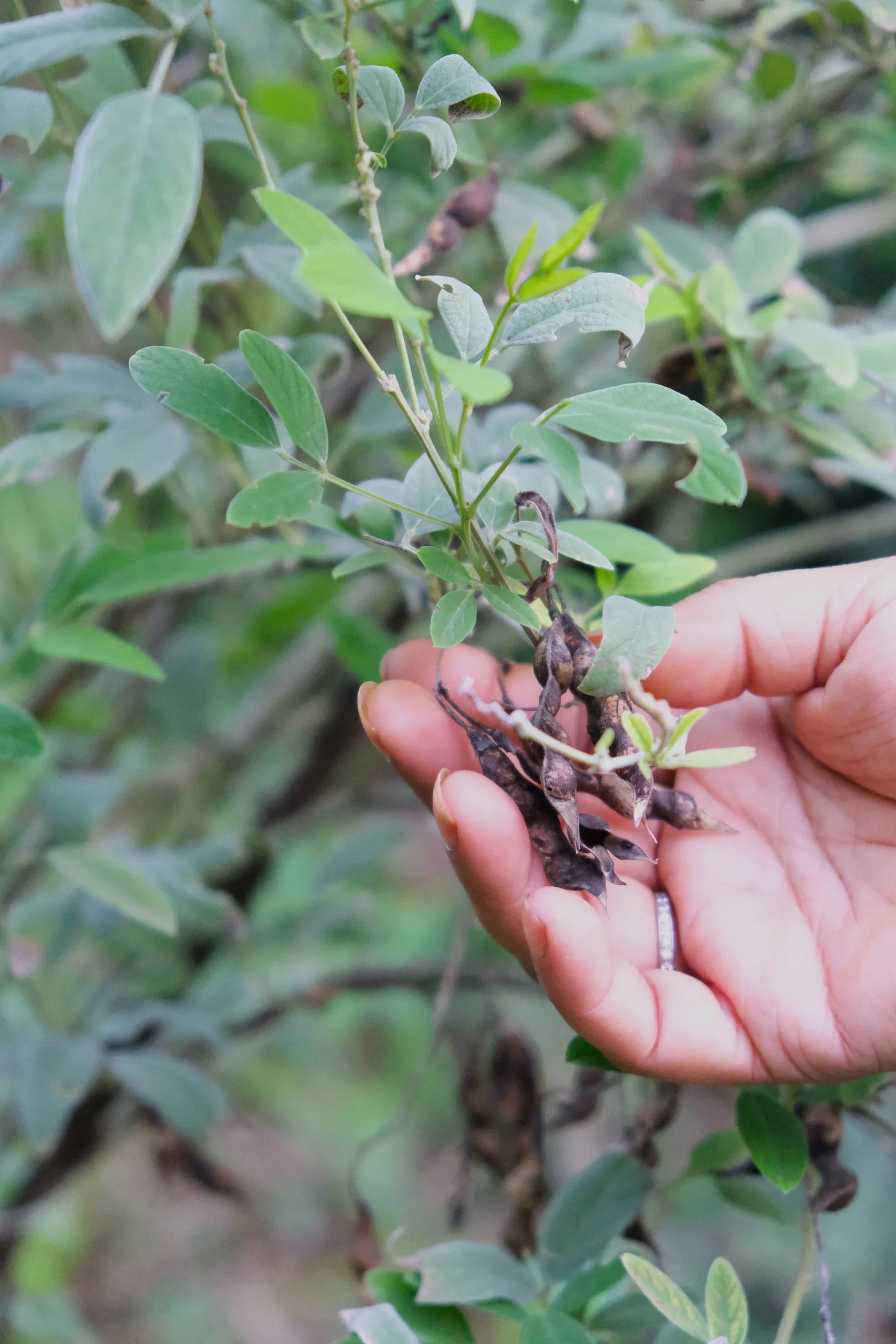
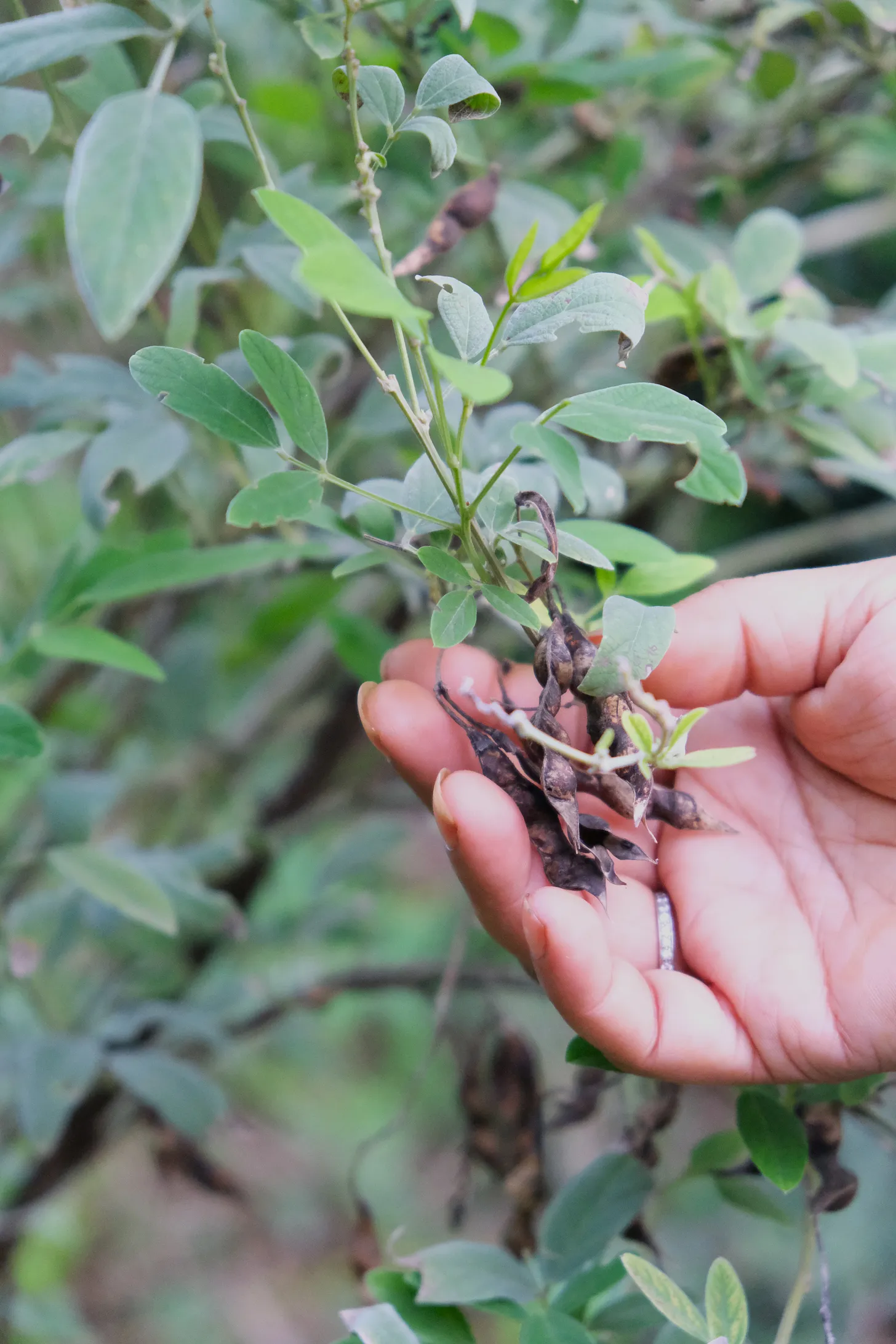
Toor from April 2025

This time around, as I learn, I want to take my time to comprehend her way of seeing the world. In the following newsletters, I will document, unpack, and dive deeper into my mother's garden. The hope is to create a way of documenting (almost a toolkit) that can help us study and learn more gardens and farms. Join us?

Gooseberry, Frangipani, and other greens

Gooseberry, Frangipani, and other greens

Gooseberry, Frangipani, and other greens

Explore Article tags

Explore Article tags

Explore Article tags

Explore Article tags

Your Next Read

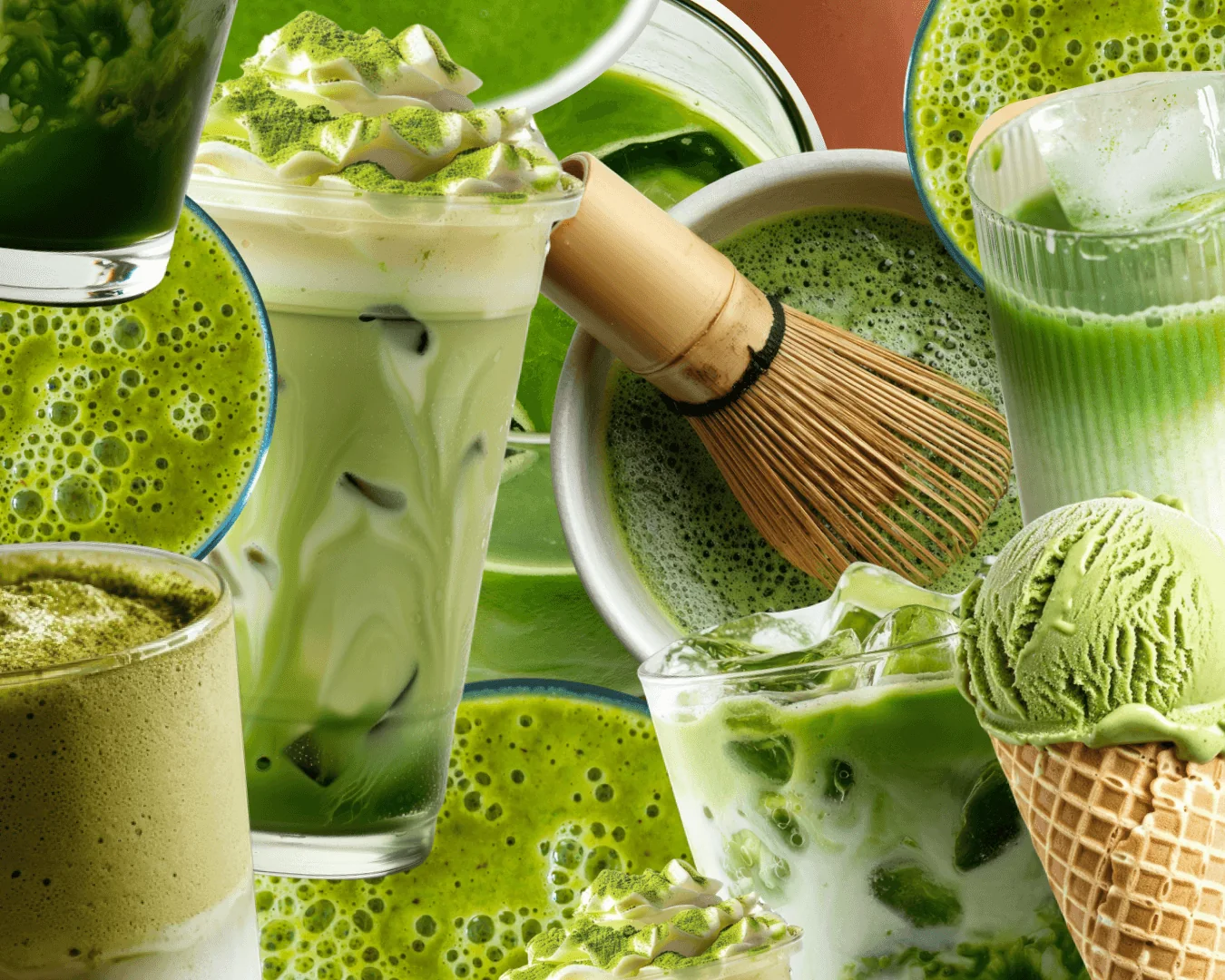
The Trend-to-Production Phenomenon Ft. Matcha

It takes a full-growing season to respond to a trend. While the matcha lattes we sip gain virality overnight, the process of growing the tea plant that produces it requires months of careful cultivation as with any other crop. Especially in the case of matcha, where the process is so detail-oriented.

Your Next Read

The Trend-to-Production Phenomenon Ft. Matcha

It takes a full-growing season to respond to a trend. While the matcha lattes we sip gain virality overnight, the process of growing the tea plant that produces it requires months of careful cultivation as with any other crop. Especially in the case of matcha, where the process is so detail-oriented.

Your Next Read

The Trend-to-Production Phenomenon Ft. Matcha

It takes a full-growing season to respond to a trend. While the matcha lattes we sip gain virality overnight, the process of growing the tea plant that produces it requires months of careful cultivation as with any other crop. Especially in the case of matcha, where the process is so detail-oriented.

Your Next Read

The Trend-to-Production Phenomenon Ft. Matcha

It takes a full-growing season to respond to a trend. While the matcha lattes we sip gain virality overnight, the process of growing the tea plant that produces it requires months of careful cultivation as with any other crop. Especially in the case of matcha, where the process is so detail-oriented.

Start Where You Are

Start Where You Are

Start Where You Are

Start Where You Are

Some dhoop for you!

Sign up for our newsletter.

dhoop uses food as a lens. Through this lens, we interrogate culture, sustainability, design, and the systems that sustain life. We started as a magazine focused on stories of food and its intersections.

Issue 03: Cooking

This issue expands our understanding of cooking—as a practice, sure, but perhaps more importantly, as an understanding, as a language, as a memory, and in transit.

Some dhoop for you!

Sign up for our newsletter.

dhoop uses food as a lens. Through this lens, we interrogate culture, sustainability, design, and the systems that sustain life. We started as a magazine focused on stories of food and its intersections.

We work out of Jaipur, Bangalore & Mumbai

Issue 03: Cooking

This issue expands our understanding of cooking—as a practice, sure, but perhaps more importantly, as an understanding, as a language, as a memory, and in transit.

Some dhoop for you!

Sign up for our newsletter.

dhoop uses food as a lens. Through this lens, we interrogate culture, sustainability, design, and the systems that sustain life. We started as a magazine focused on stories of food and its intersections.

Issue 03: Cooking

This issue expands our understanding of cooking—as a practice, sure, but perhaps more importantly, as an understanding, as a language, as a memory, and in transit.

Some dhoop for you!

Sign up for our newsletter here.

dhoop uses food as a lens. Through this lens, we interrogate culture, sustainability, design, and the systems that sustain life. We started as a magazine focused on stories of food and its intersections.

We work out of Jaipur, Bangalore & Mumbai

Issue 03: Cooking

This issue expands our understanding of cooking—as a practice, sure, but perhaps more importantly, as an understanding, as a language, as a memory, and in transit.