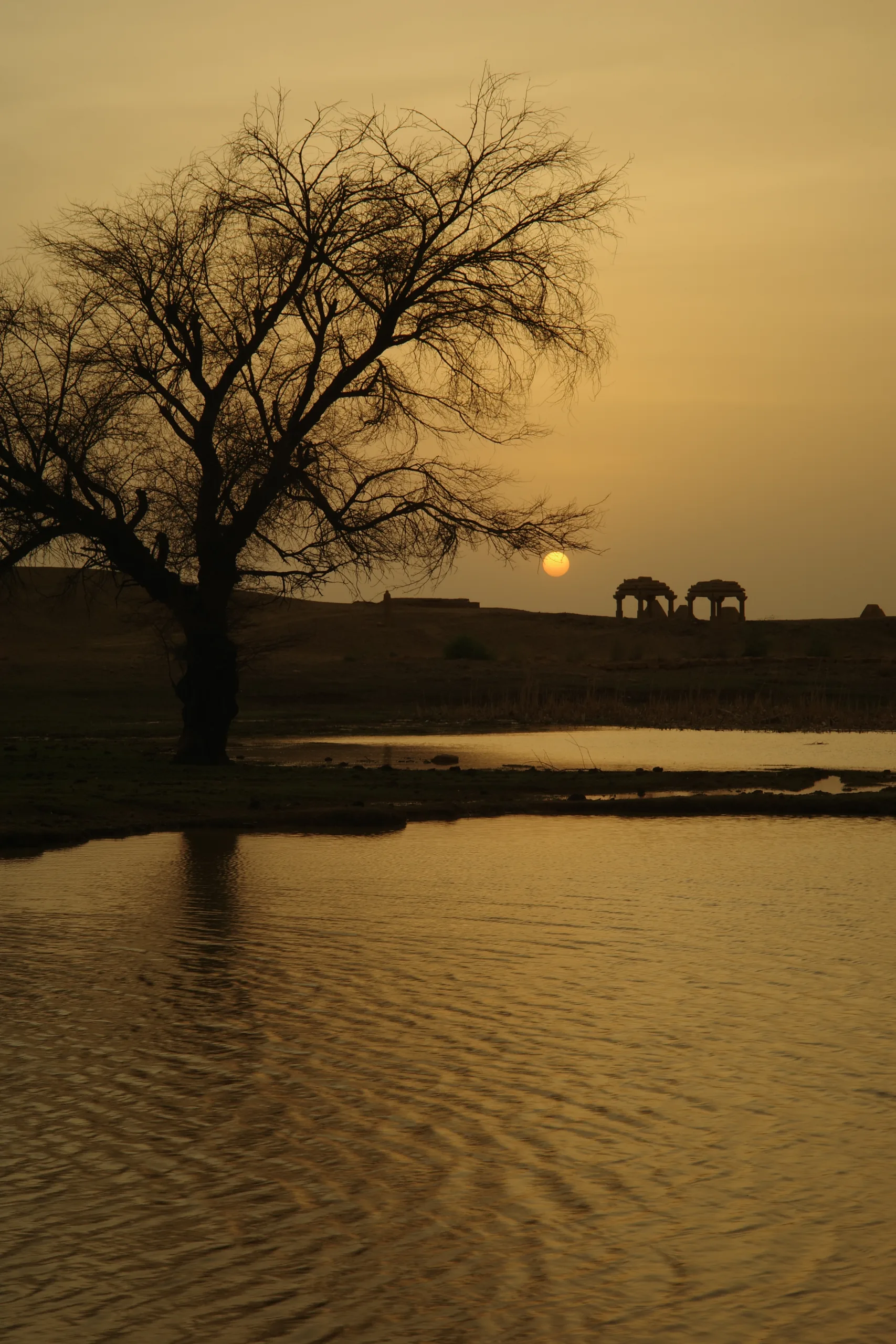
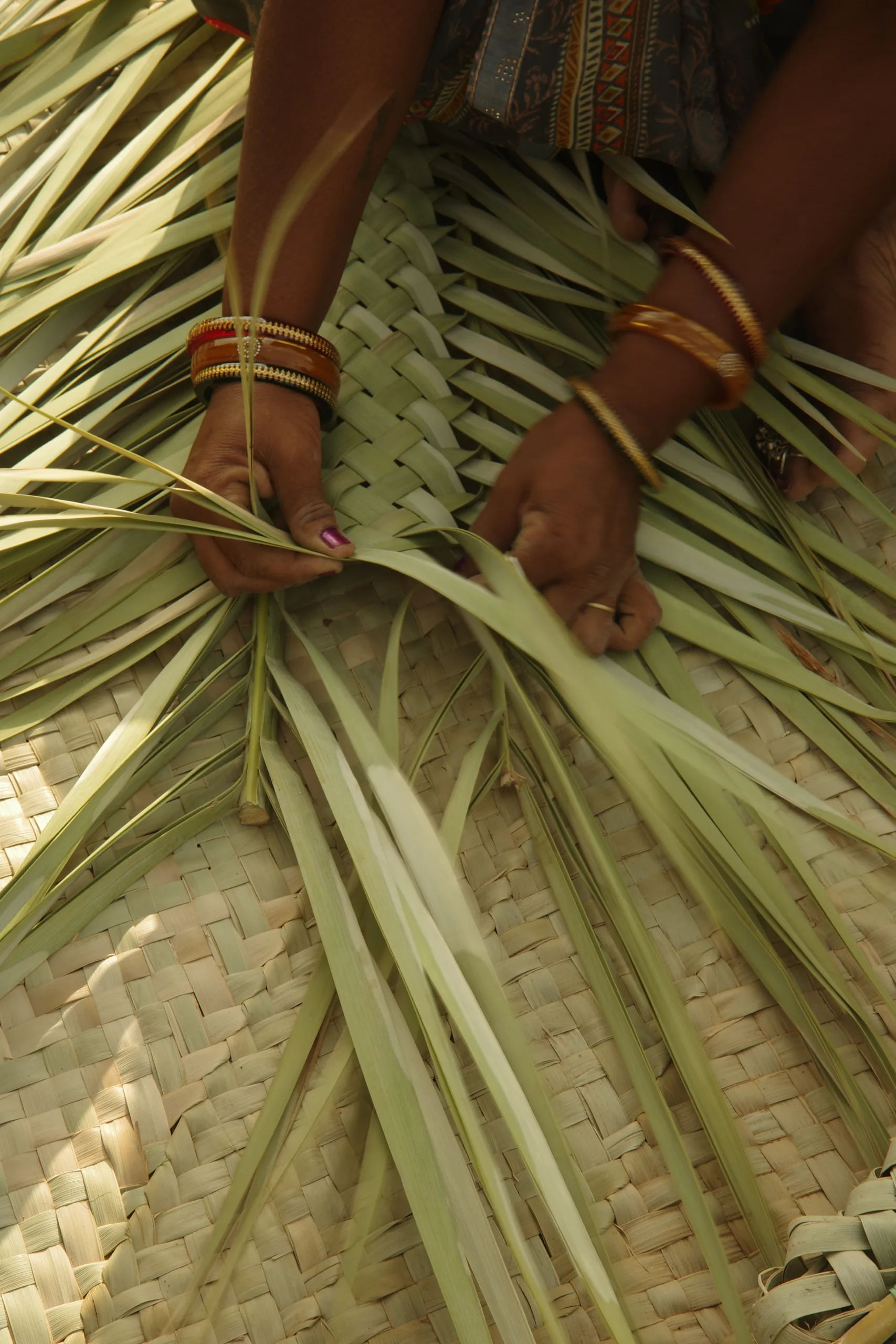
I have encountered this philosophy not in books first, but in the villages of Rajasthan. During fieldwork across western Rajasthan — from hamlets around Pokhran to the settlements in Jaisalmer, Barmer, Jodhpur and Pali — I often found myself around people where exchanges are surrounded around objects. A shepherd repairing the leather strap of a camel saddle rather than replacing it; an elderly woman's amusement when I asked where she threw household waste, she replied almost puzzled, "what waste?"; a potter pointing to a cracked matka and explaining that it would now cool buttermilk, and after that, mark the borders of a flower bed. Above all, these never came in the language of sustainability.
In rural Rajasthan, nothing is ever expected to have a single life. Consumption did not mean disappearance. It meant transformation.Travel through villages after the harvest when the fields appear empty, you find pearl millet stalks become fodder for the cattle . What livestock cannot eat then becomes roofing insulation, fencing or fuel. The animals return milk, manure and labour. The manure from the animal is mixed with clay to plaster floors whose cool, antiseptic surfaces regulate indoor temperatures through 48 degrees summers. Even after burning, the ash is put to use for cleaning brass utensils before returning to the soil.
From another time, I remember watching a woman in a village near Osian prepare the floor of her courtyard before a festival, mixing fresh cow dung with clay and water into a smooth paste and spreading it with astonishing precision over the earth. The floor remained cool beneath bare feet, resisted insects, kept dust at bay, and would eventually dissolve back into the soil without leaving behind a trace.
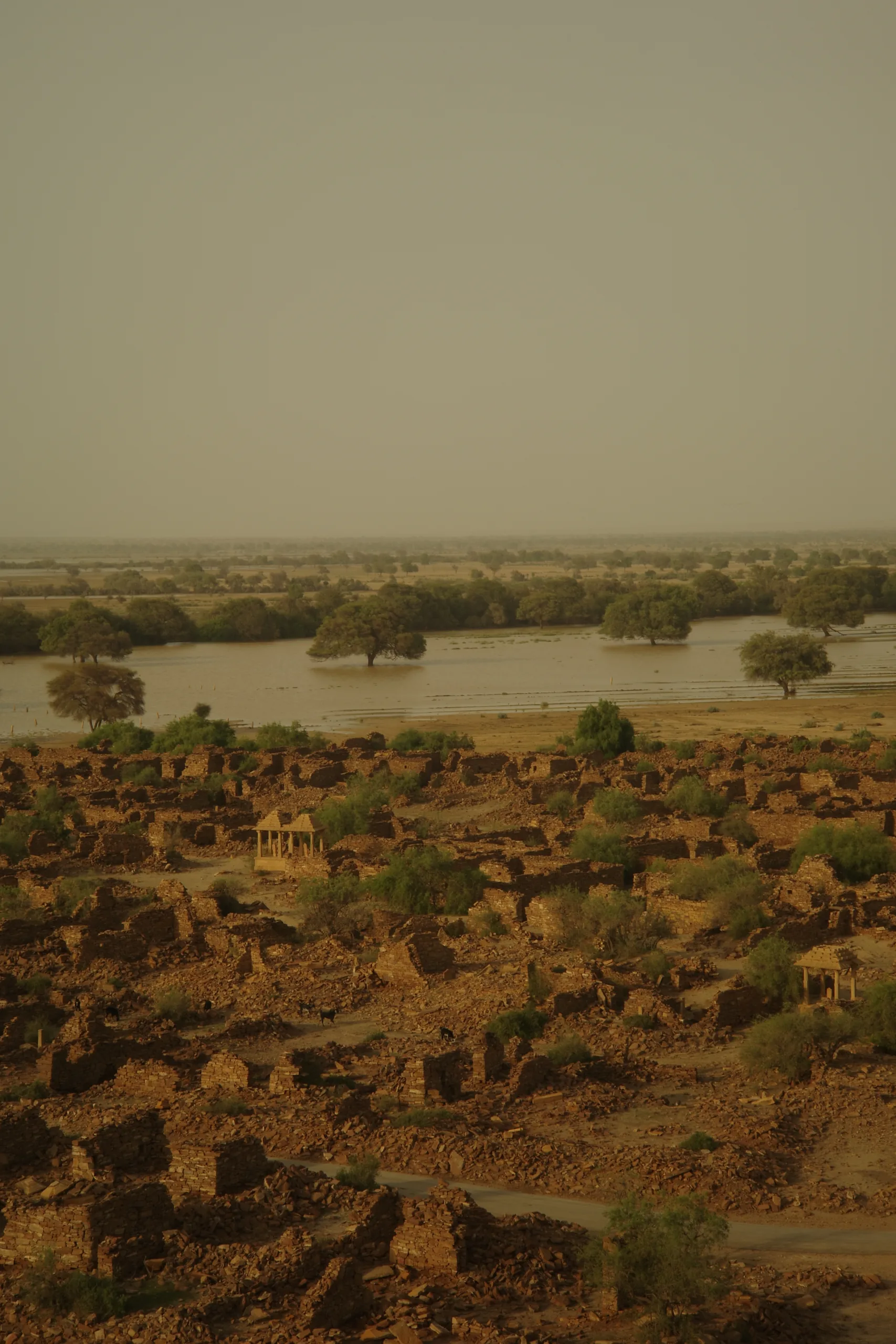
A traditional Rajasthani house is rarely treated as a finished object. It is common to see lime plaster being renewed seasonally; stone blocks from collapsed structures reused in compound walls; old carved wooden doors migrating to new homes; broken sandstone becoming pavements; roof beams surviving several generations of buildings. Here, buildings age through repair rather than replacement. It also applies to the region’s craft traditions: spend time with leather workers in Jodhpur, weavers in Salawas or blacksmiths in the villages of Godwar, you will notice that making is often an act of recovery. Old saris become the warp in durries. Torn garments are stitched into gudris whose patches preserve fragments of family histories. A quilt in Rajasthan is rarely made from new cloth. It is made from memory. A father's turban, a mother's odhni, a child's kurta. Brass utensils are melted and recast rather than discarded. Even today, itinerant utensil-repairers travel through villages, restoring vessels whose value lies not only in the metal but in the decades of meals they have witnessed. The object accumulates biography rather than merely serving function. The desert has always understood what contemporary design is rediscovering: durability is emotional before it is material.
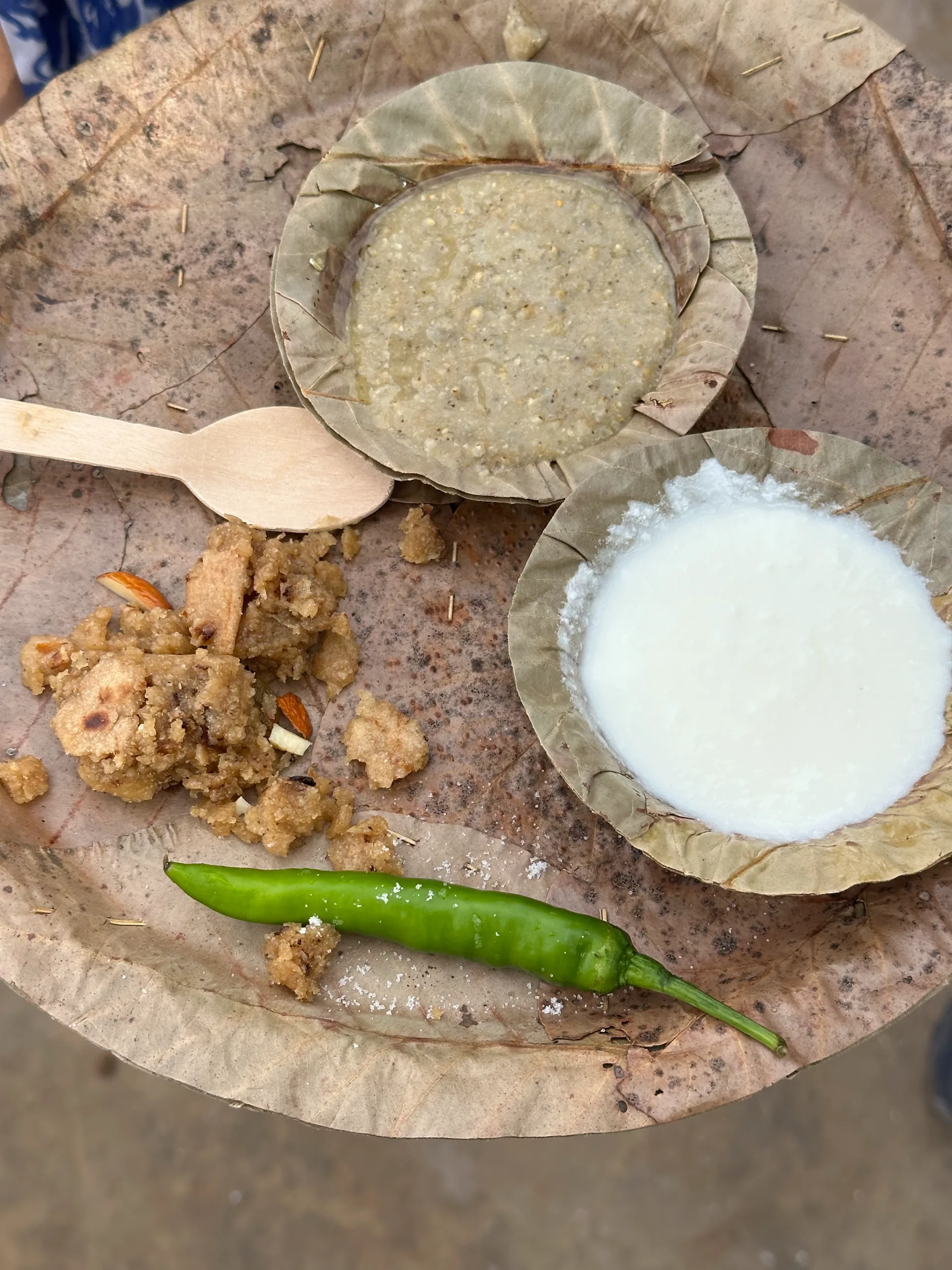
Food follows the same grammar. In cities, leftovers often signify failure. In rural Rajasthan, they frequently become the beginning of another meal. Yesterday's bajra rotis are crumbled into raab, softened into breakfast, fed to livestock or transformed into new dishes. The water used to wash lentils nourishes kitchen gardens. Whey left from curd-making enters doughs and curries. Clarified butter leaves behind browned milk solids that become sweets.

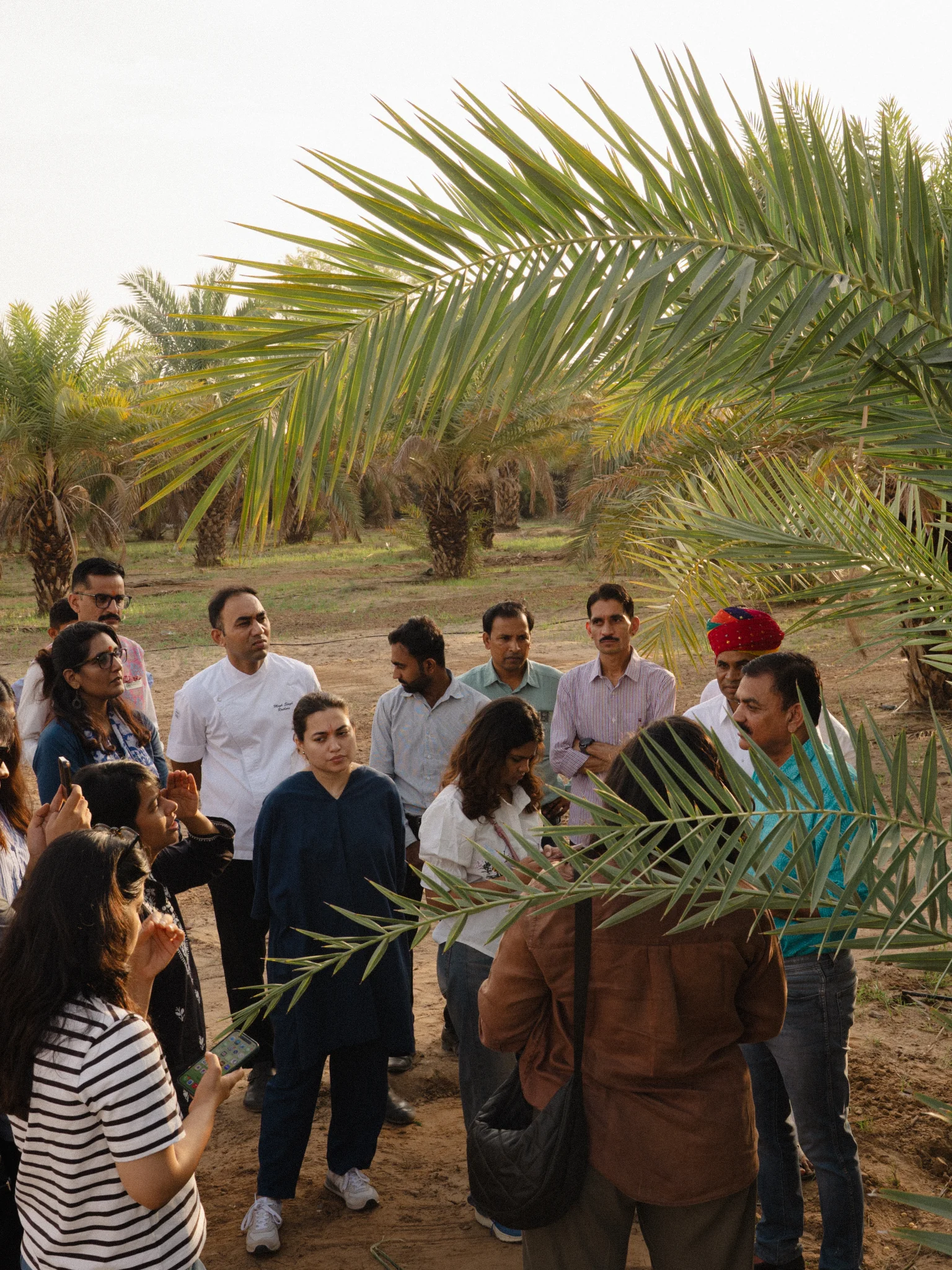
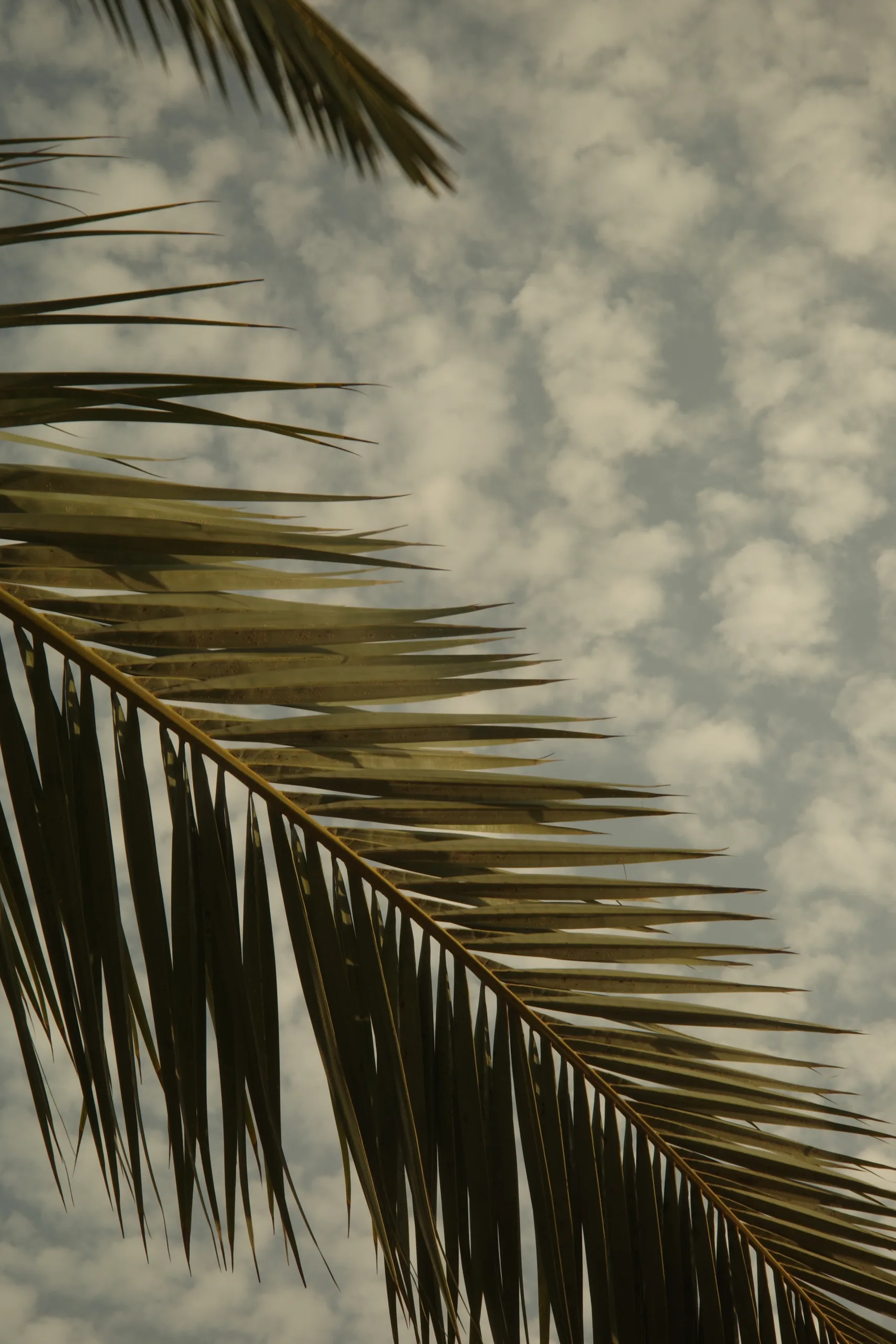
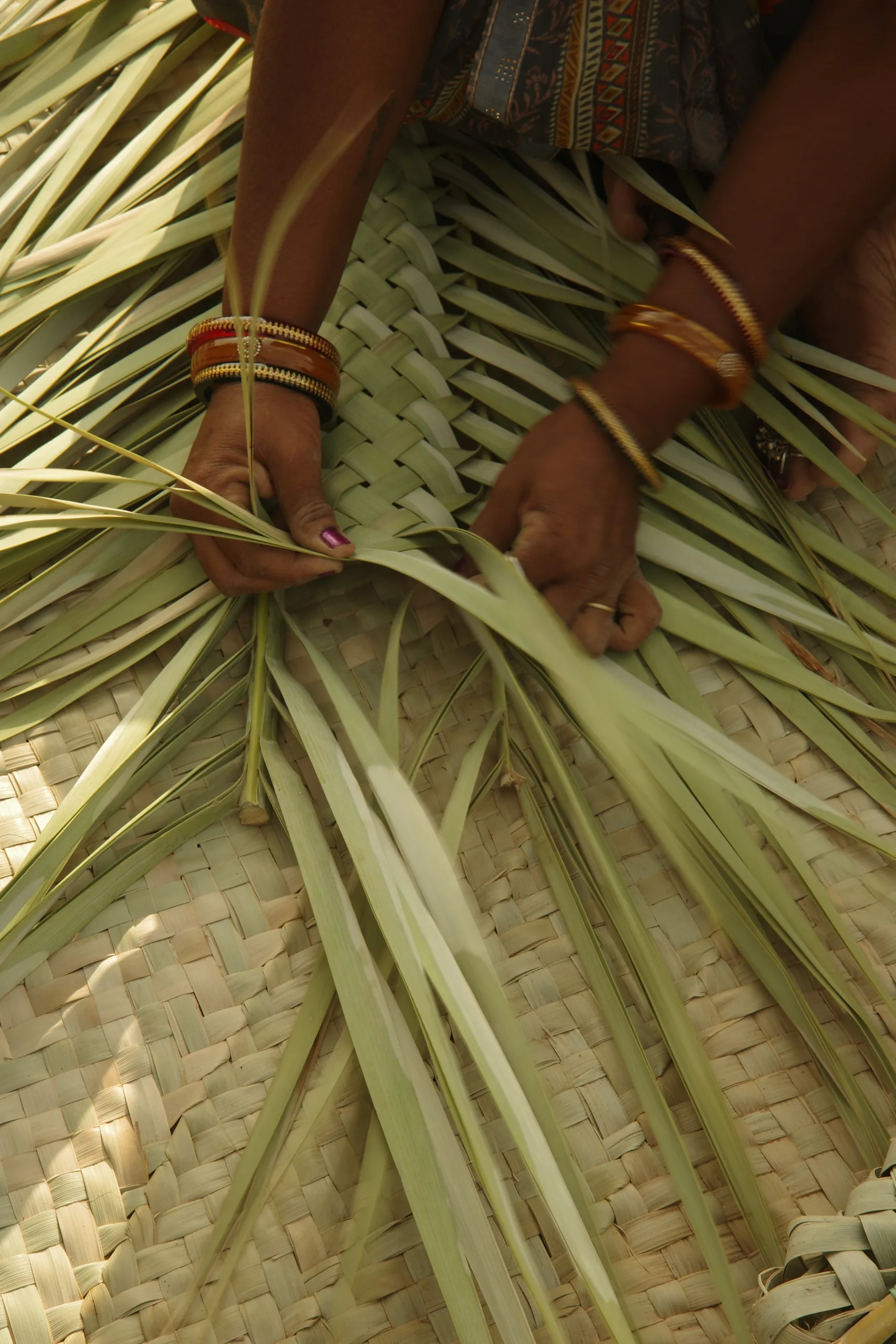
This food philosophy was brought to me through a different kind of focus in the date palm plantations during the Khajoornama residency in western Rajasthan that brought artists, researchers and practitioners together around the region's emerging date-growing landscapes. What fascinated me was the way the palm opened up a larger conversation about abundance in a landscape we are so accustomed to describing through scarcity. The date was only one part of the tree's usefulness. Its fronds, leaves, fibre, trunk and shade all hold other possibilities, while the space between the palms can support other crops. The tree seemed to offer a particularly beautiful example of how productivity need not mean extracting one thing as efficiently as possible, but allowing many forms of life and use to gather around the same resource.

This felt especially significant in Rajasthan, where cultivation has always involved learning how to make relationships rather than simply maximise output. The newer date farms, supported by drip irrigation and improved planting material, suggest that the desert can accommodate new forms of agriculture without necessarily abandoning its older ecological intelligence. The exciting possibility is to think of the date palm not simply as a successful commercial crop, but as another participant in Rajasthan's long tradition of making more than one life possible from the same landscape. Khajoornama left me thinking that perhaps abundance in the desert has never meant having more things. It is about learning to find more possibilities within the things we already have.
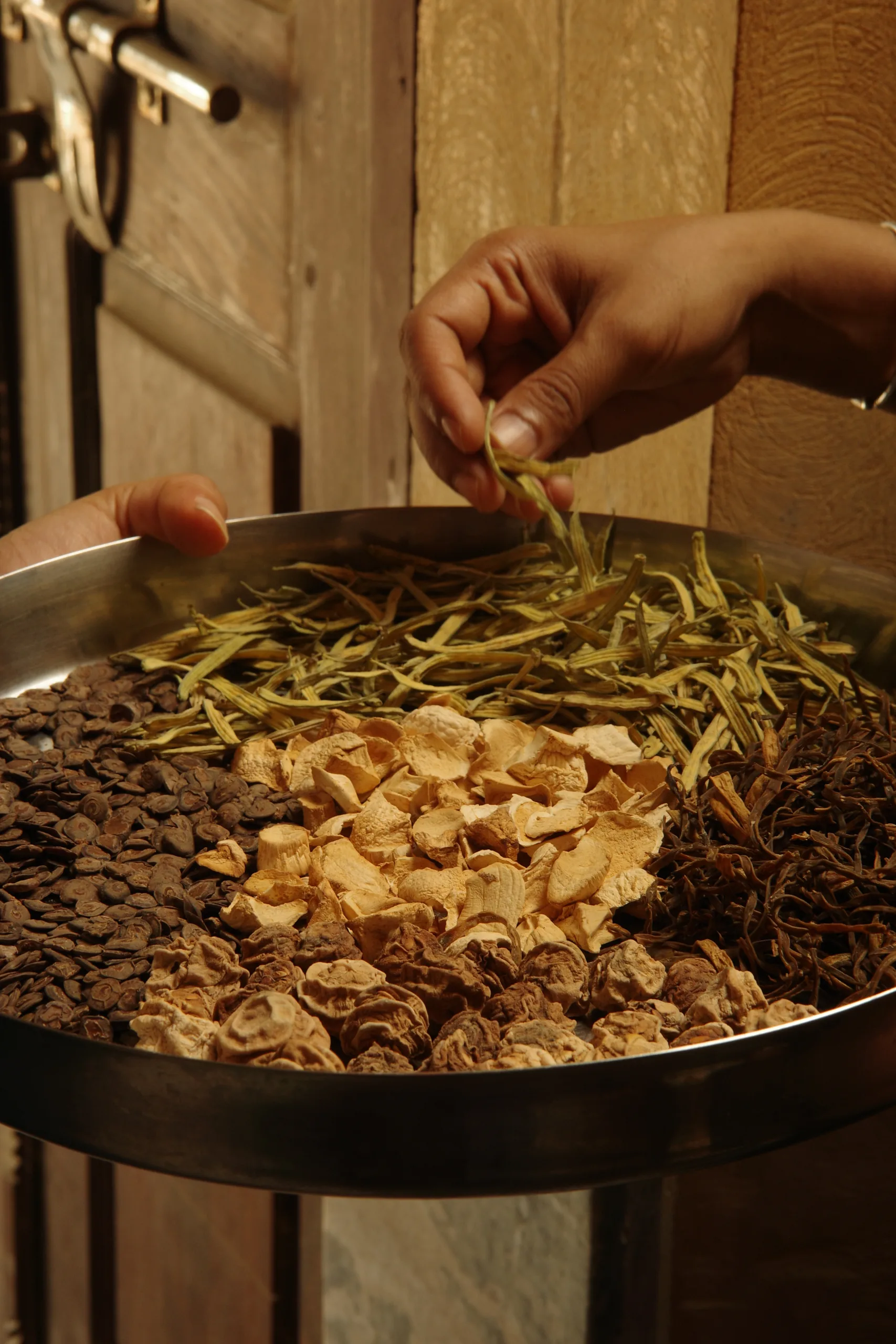
Even preservation here is relational rather than extractive. The astonishing diversity of dried vegetables—ker, sangri, kumatiya, dried gourds, dried cluster beans—emerged not because fresh food was unavailable, but because communities understood that abundance required another future. This viewpoint has sustained Rajasthan’s rain-fed crops through its ingenious water-harvesting systems.
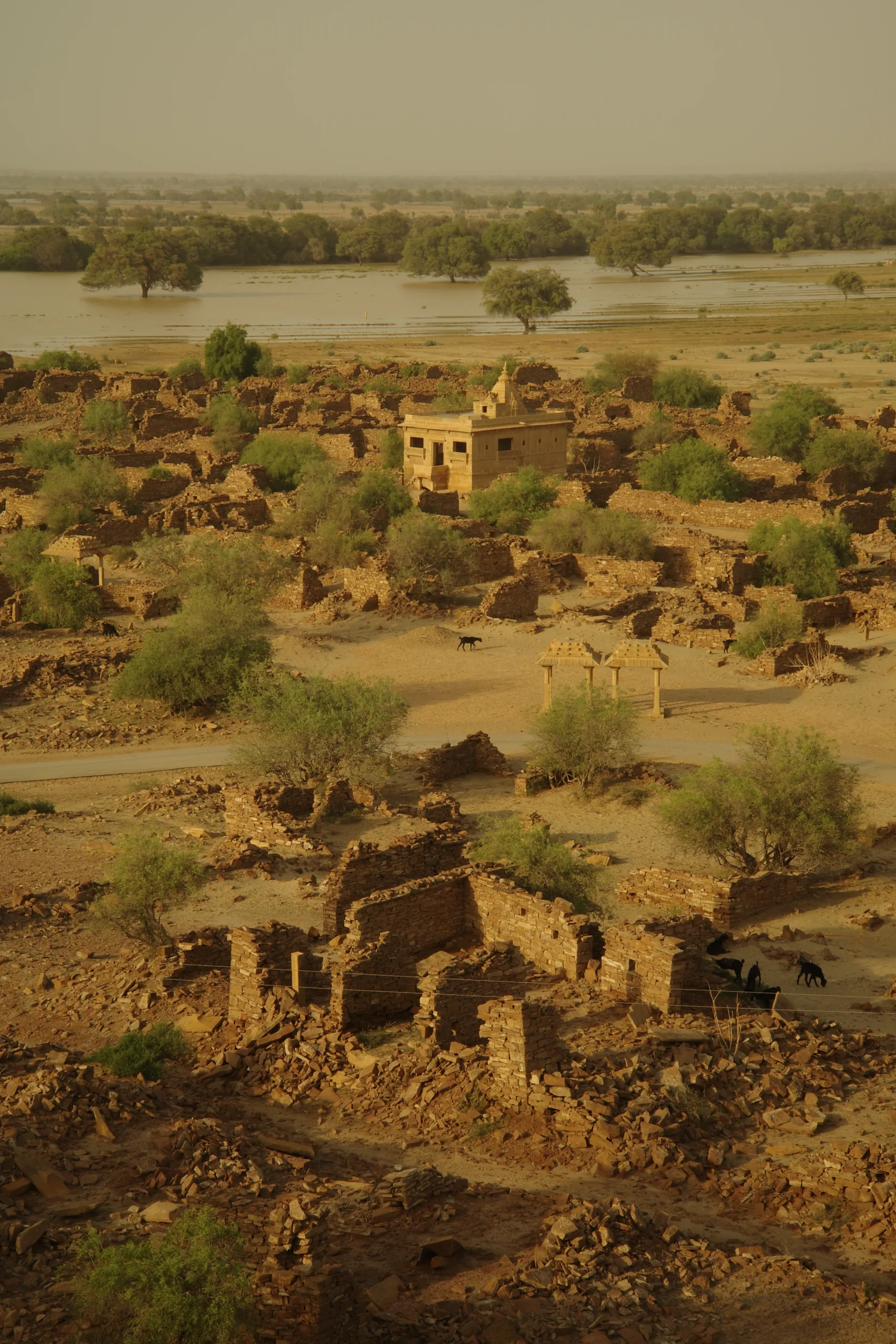
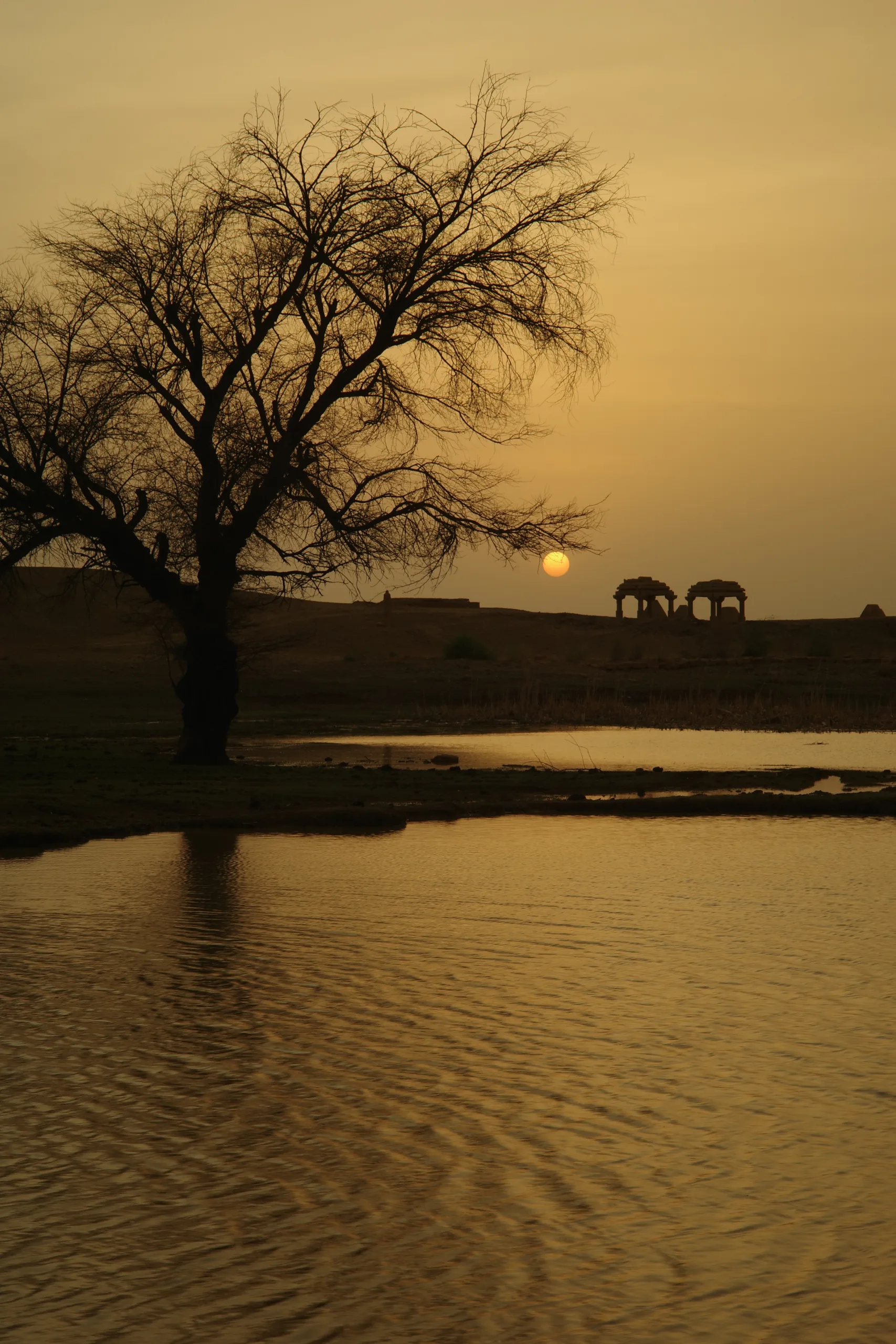
For the last several years, much of my work has involved documenting historic water systems across western Rajasthan. I have descended into stepwells whose sandstone worn smooth by hands that lived across centuries. I have stood inside abandoned tankas while elderly residents explained which families once maintained them. I have mapped forgotten reservoirs whose catchments are still legible in the landscape if one learns where to look.
What becomes immediately clear is that no drop of water was imagined in isolation. Rain falling on a rooftop entered a tanka. Overflow directed to ponds. Those ponds recharged wells and beris. Runoff nourished grazing commons eventually disappearing into aquifers that would be drawn upon months later. Water passed through households, livestock, agriculture, evaporation and groundwater in carefully understood sequences.
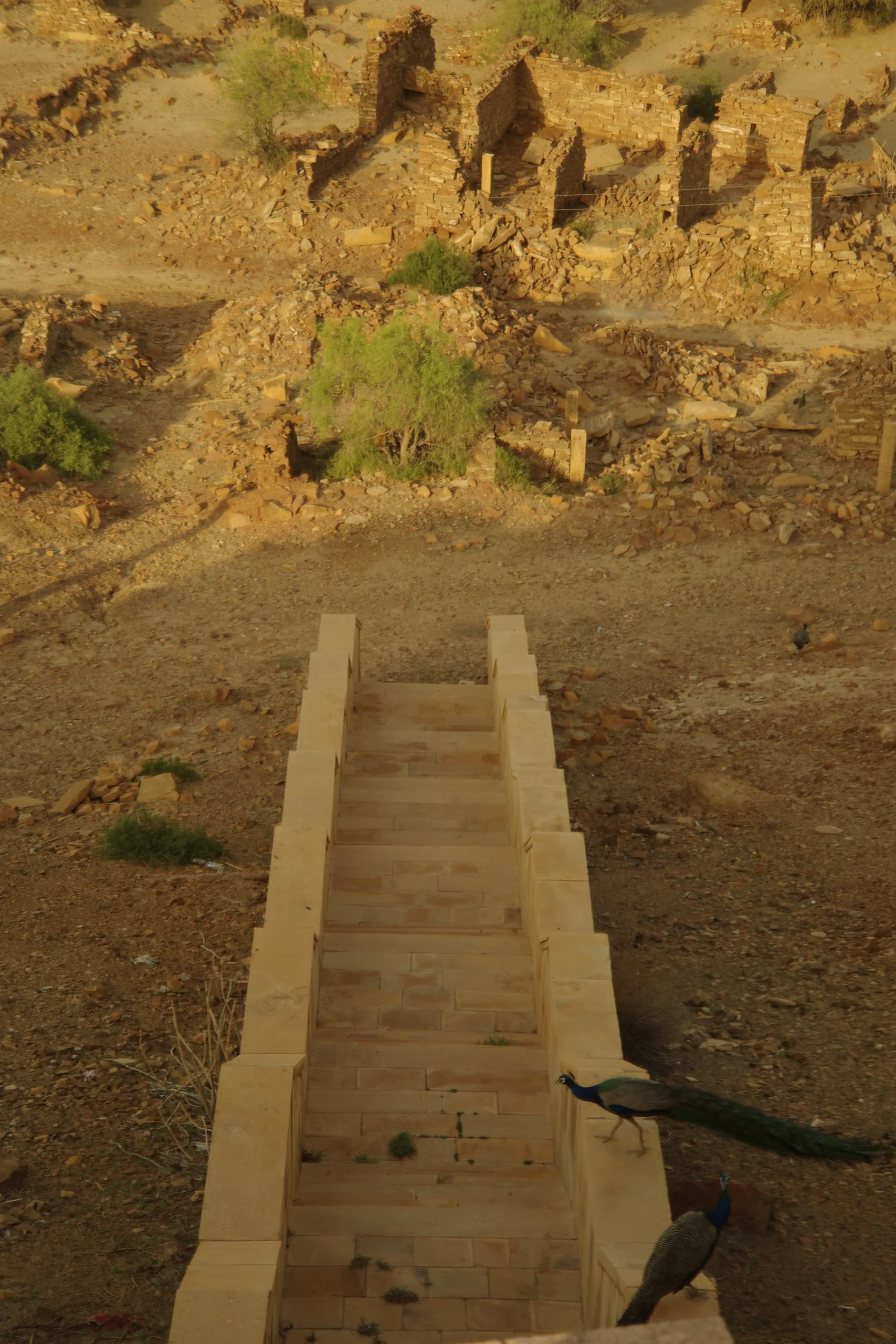
The landscape itself functioned as infrastructure. It is no coincidence that Rajasthan developed such an astonishing vocabulary for water: khadin, tanka, beri, jhalara, baori, nadi, talab. These are not merely different structures. They represent different philosophies of movement, storage, infiltration, ownership and time. Water, too, was expected to have several lives before leaving the system. The anthropologist Tim Ingold argues that materials are not static objects but ongoing processes. Rajasthan appears to have understood this long before it became an academic theory..
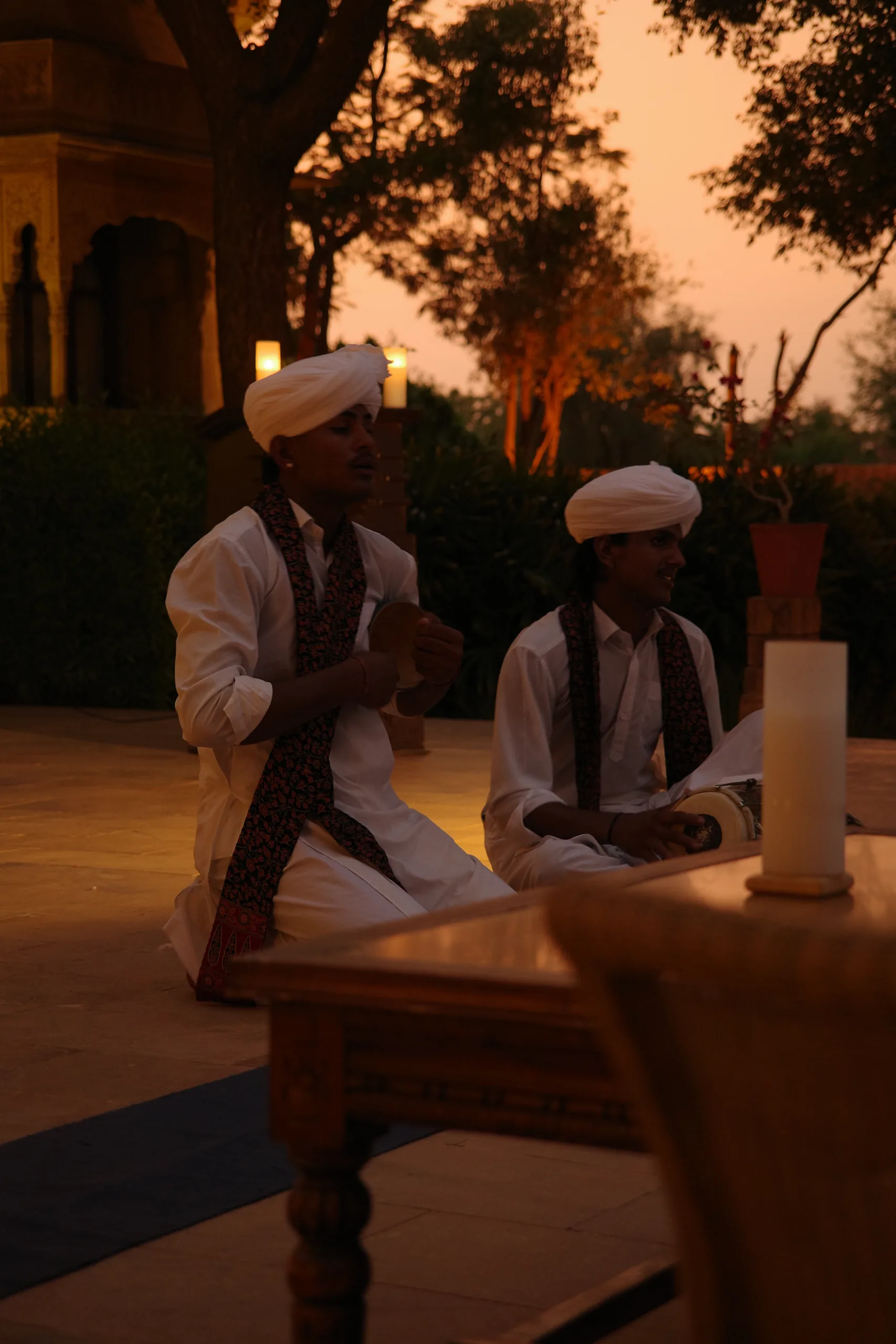
This is why contemporary conversations around the "circular economy" often feel strangely familiar in Rajasthan. Rajasthani language gives no room to generate waste. So, it asks, Why did you imagine waste at all? Even consumption is not an ending. Everything in this eco-system of rural Rajasthan exists in a temporary state within a larger cycle of relationships.
The crisis of the twenty-first century may not be that we consume too much. It may be that we have forgotten how to recognise the second, third and fourth lives of the things we consume. Long before sustainability became a discipline, Rajasthan had already arrived at a more non-negotiable proposition: nothing is ever truly consumed, or nothing is ever discarded. Only transformed.