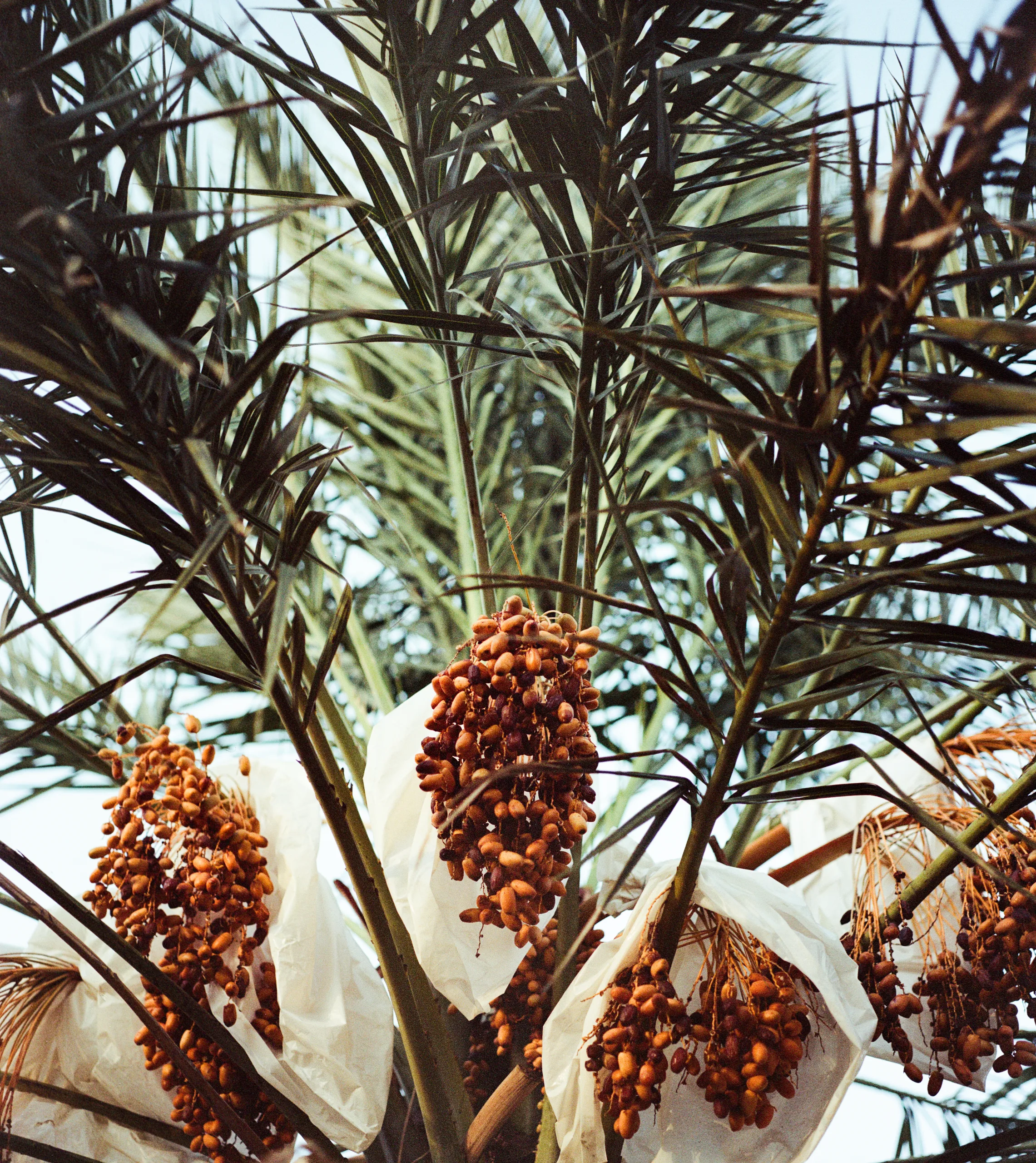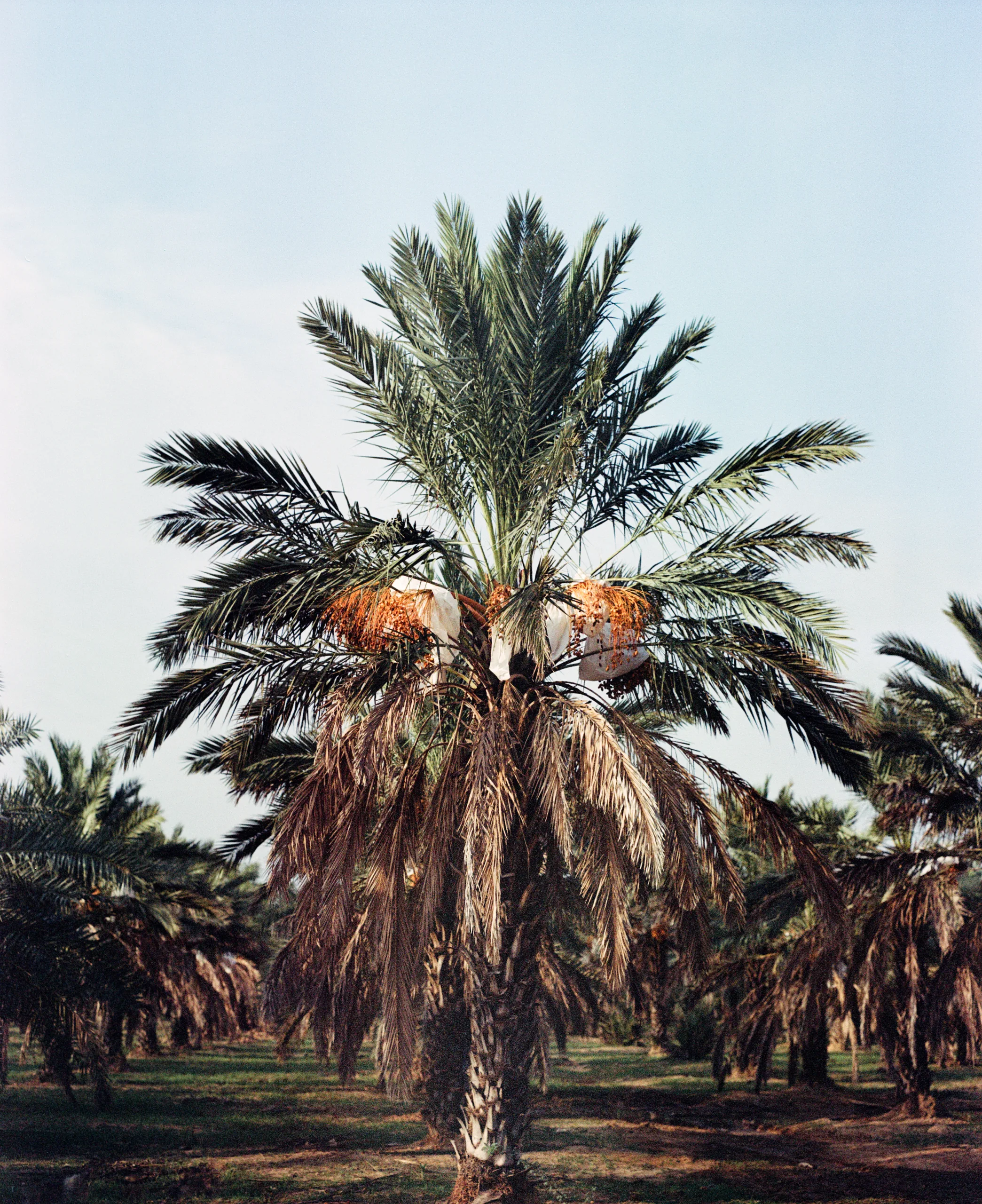
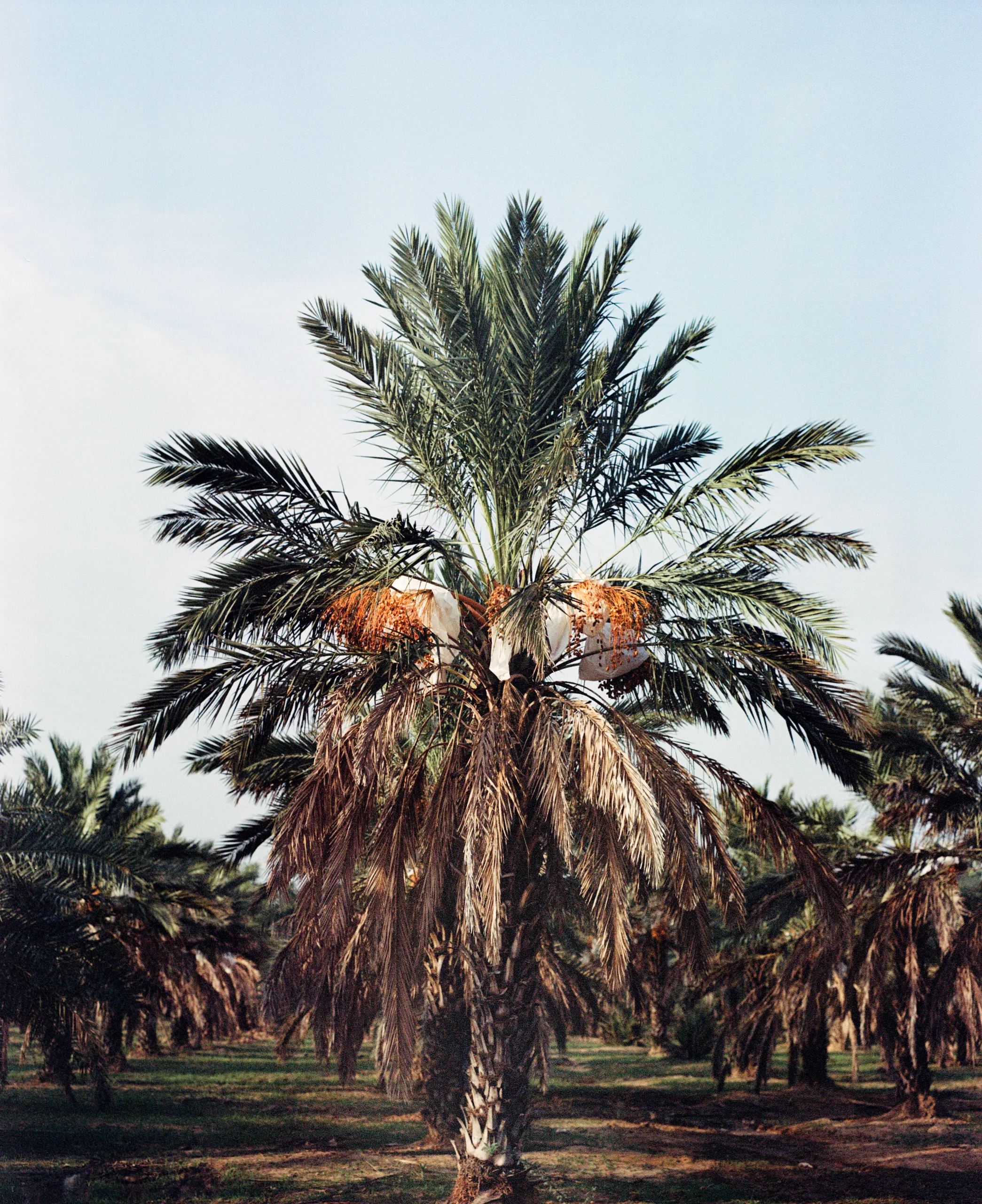
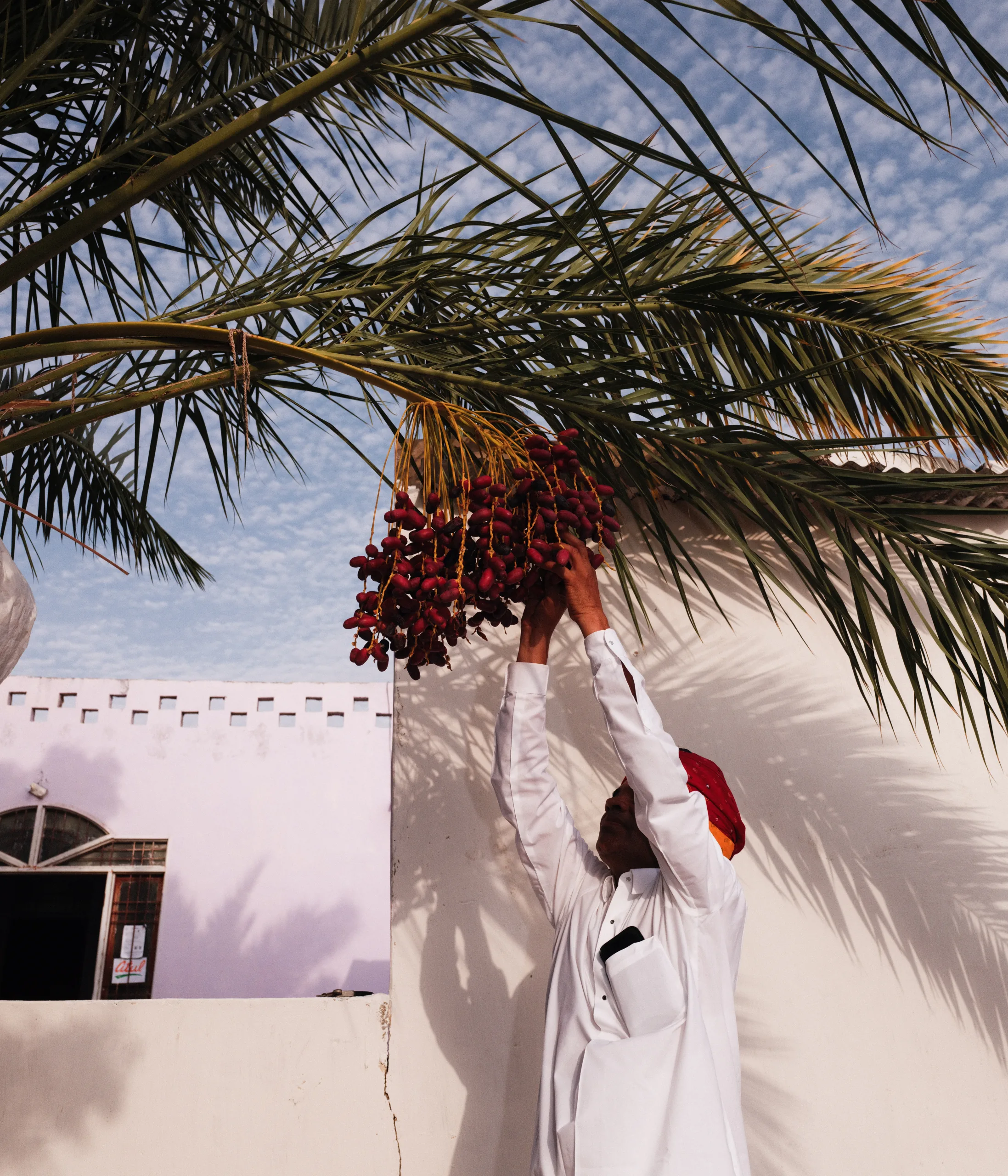
The advent of date crops is believed to curb migration in the region as more and more people and families benefit from the project.
The advent of date crops is believed to curb migration in the region as more and more people and families benefit from the project.
Good quality tissue culture date palms are given to farmers with lands in the region by Atul Ltd, a private firm, who has bought the technology of tissue culture. They have entered into a collaboration with the state government to supply subsidized tissue culture date palms to farmers.
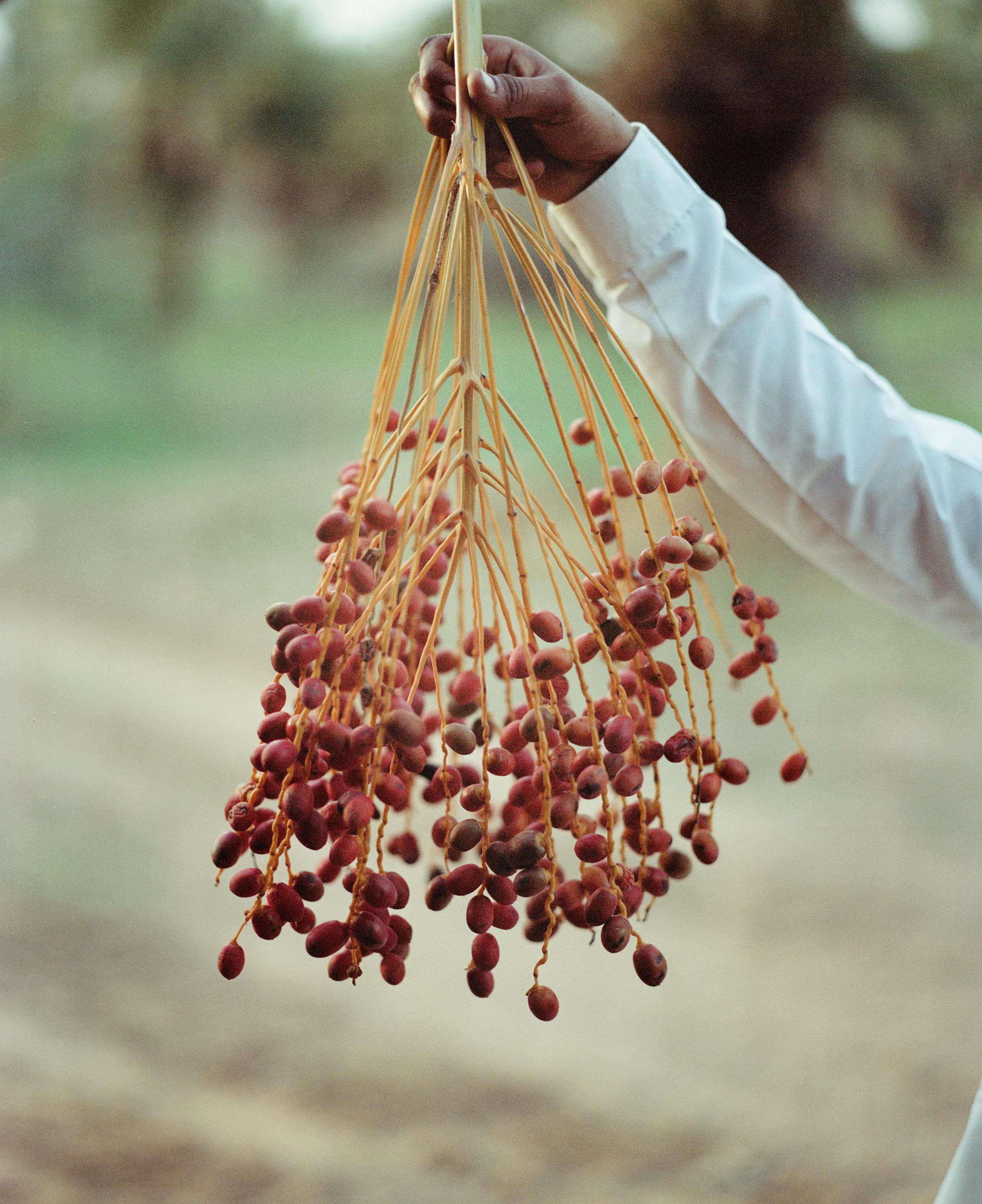
Date palm is not completely new to India. In fact, Phoenix Sylvestris or wild date palm is native to the Indian subcontinent and grows in the wild from Kutch to Bengal and Uttar Pradesh to Kanyakumari. Again, commercial date palm/ fruiting date palm as a plantation to India is also wholly not new to the country. Alongside wild varieties, in Kutch and Thar many fruit date palms have been growing in the wild for nearly 400 years.
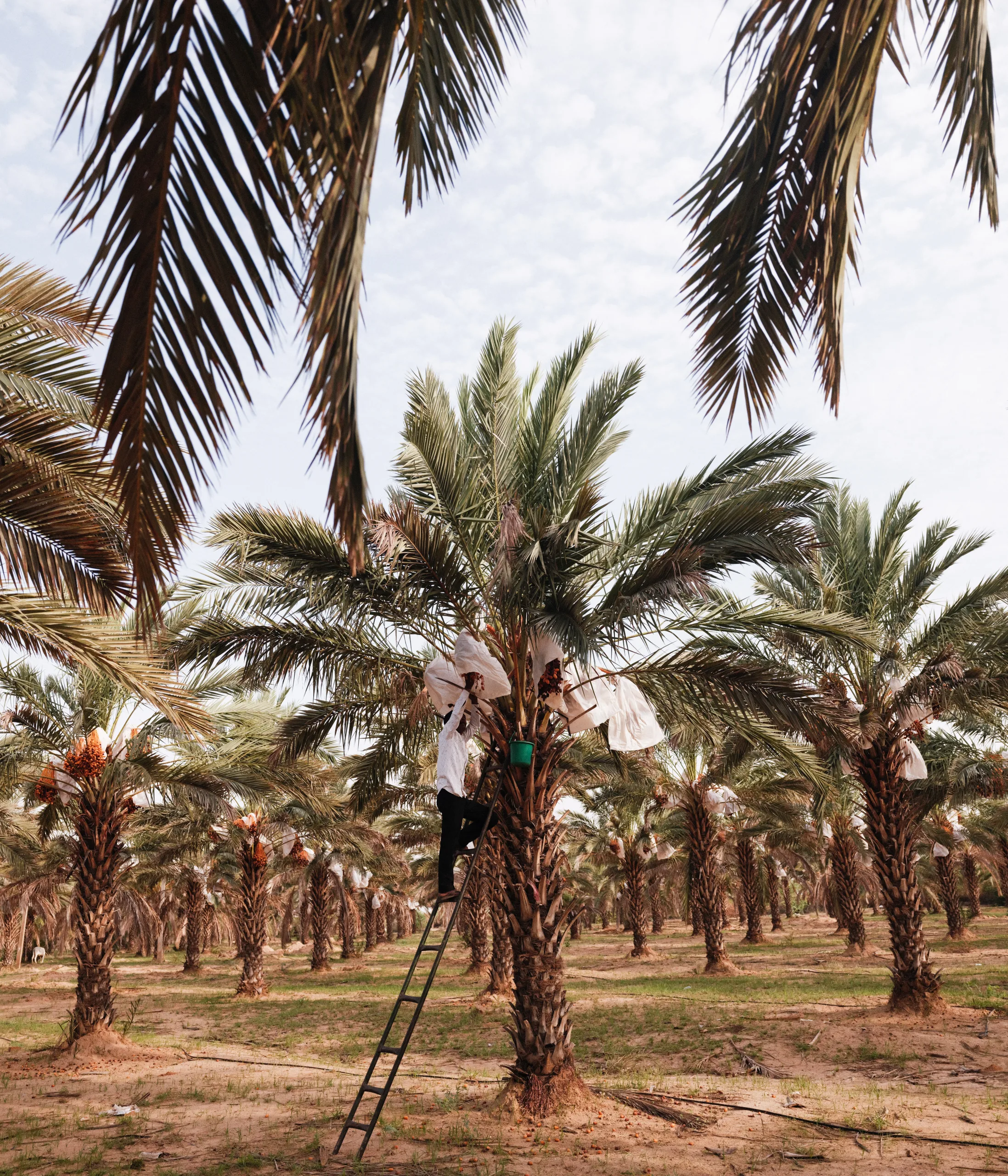
Jaisalmer’s renowned Khadin – rainwater harvesting system – engineered by the Paliwals, that uses monsoon water to feed summer crops, with an intriguing history of its own is a reminder that Thar is never new for experiments.
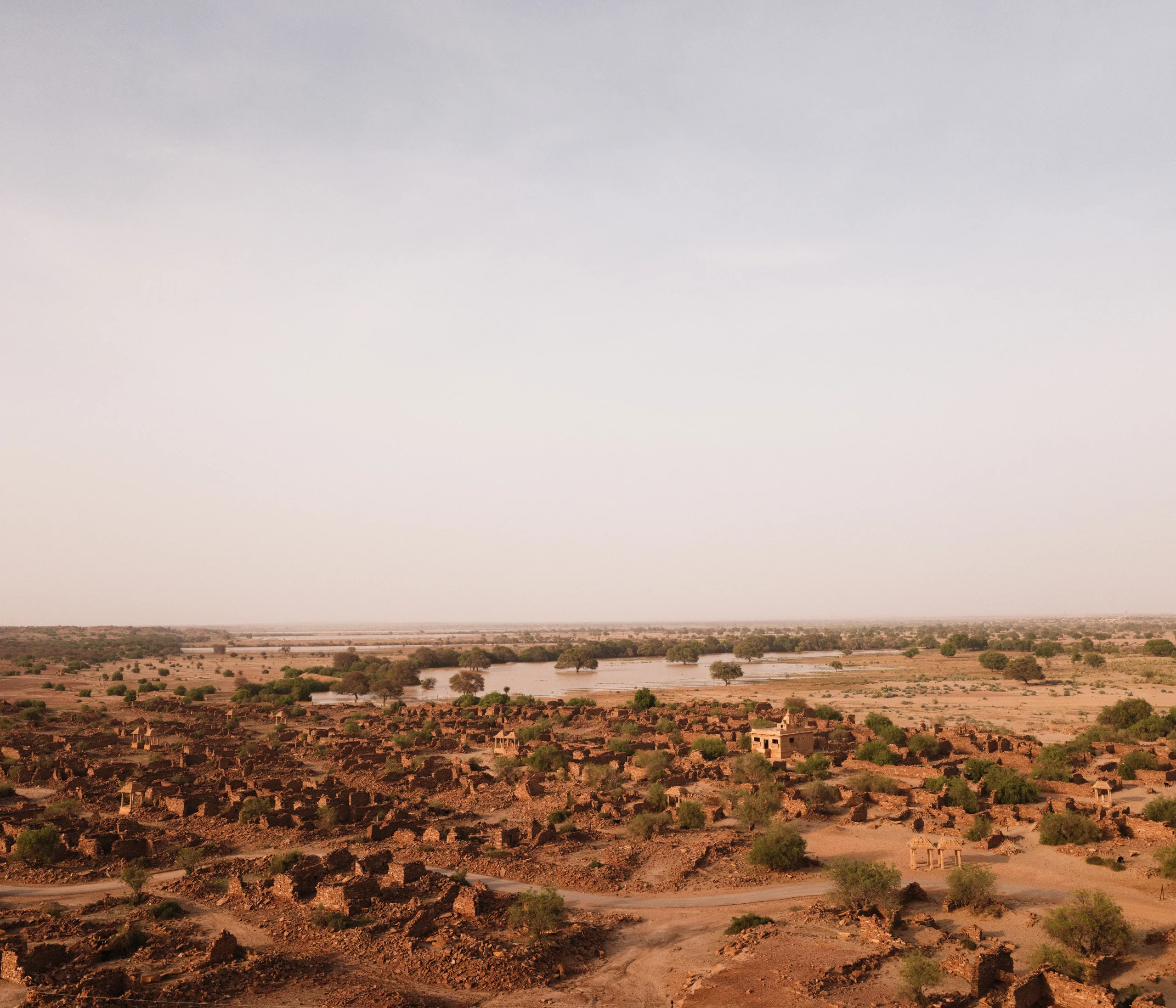
Thar’s heat is ideal as a climate to grow dates. The desert ecosystem also enables it because the tissue culture palms grown here come from Al Ain in UAE.
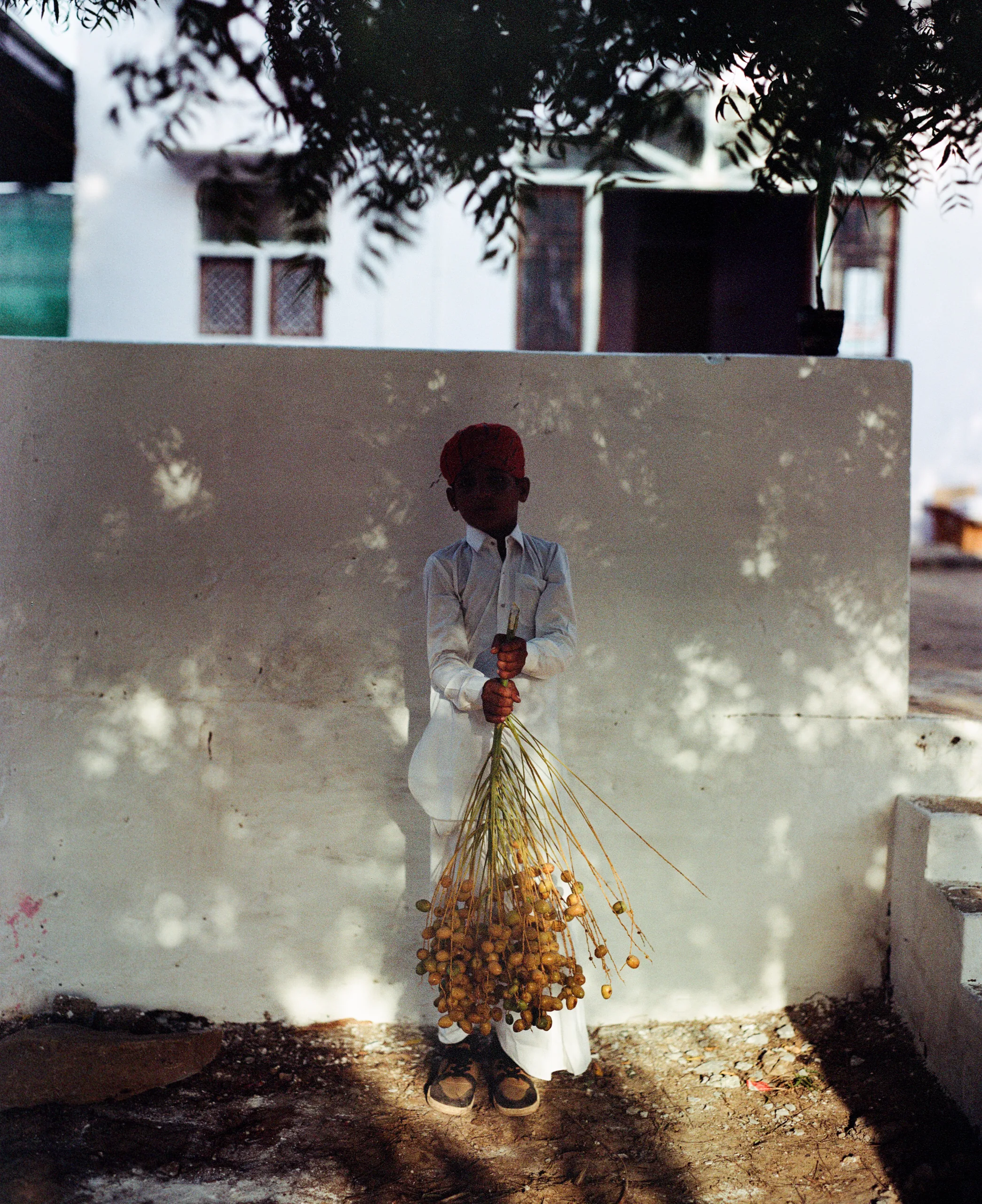
India exports its dates to other countries and that’s in demand because the country’s cultivation cycle is a month earlier than it is in West Asia, the bedrock for date cultivation in the world.
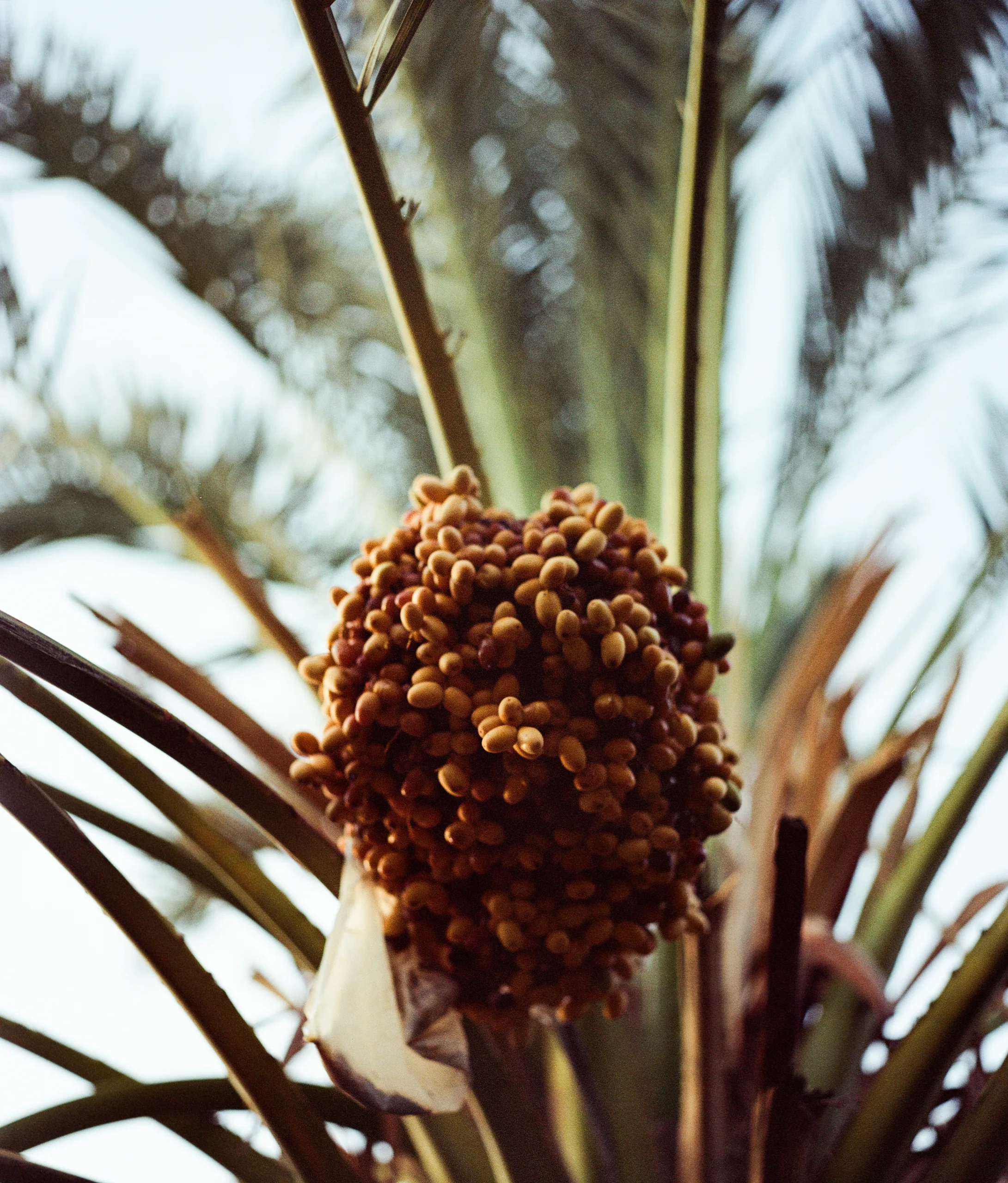
India is still the world’s largest importer of dates. The recent plantations in Thar and Kutch especially are the first step to reverse the situation and make India the largest producer.